MarsAprilMai
Acacia / Blue Mimosa
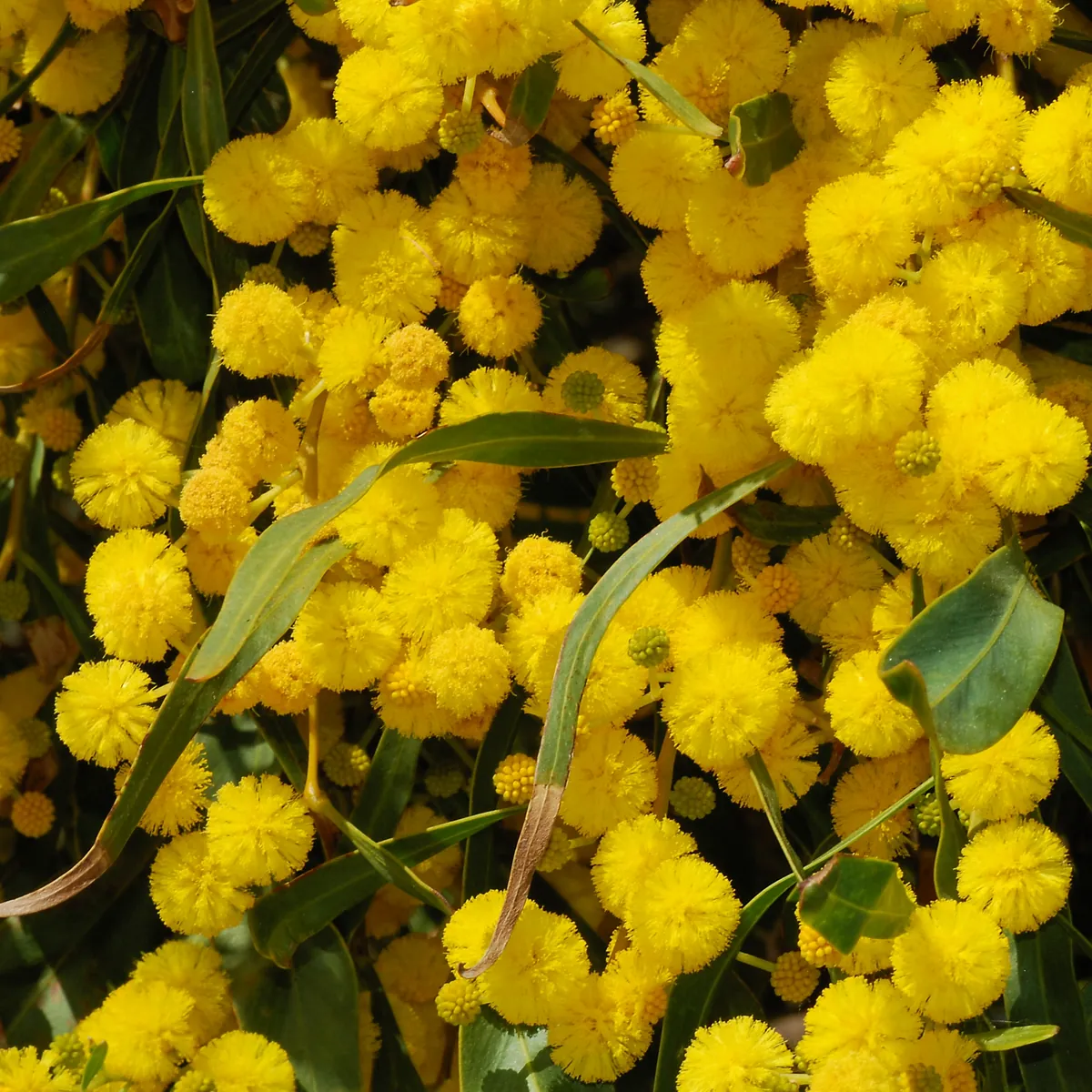
Acacia cyanophylla / Acacia saligna
- Cap Bon
- North-East
- Tunisia's Coast
- Siliana
- Mountain Honey / Wildflower
Introduced for dune fixation and reforestation, it produces abundant globular yellow flowers.
Discover the plants that feed bees and shape the diversity of honeys. Each profile presents their characteristics, flowering period, and beekeeping value.
Acacia cyanophylla / Acacia saligna
Introduced for dune fixation and reforestation, it produces abundant globular yellow flowers.
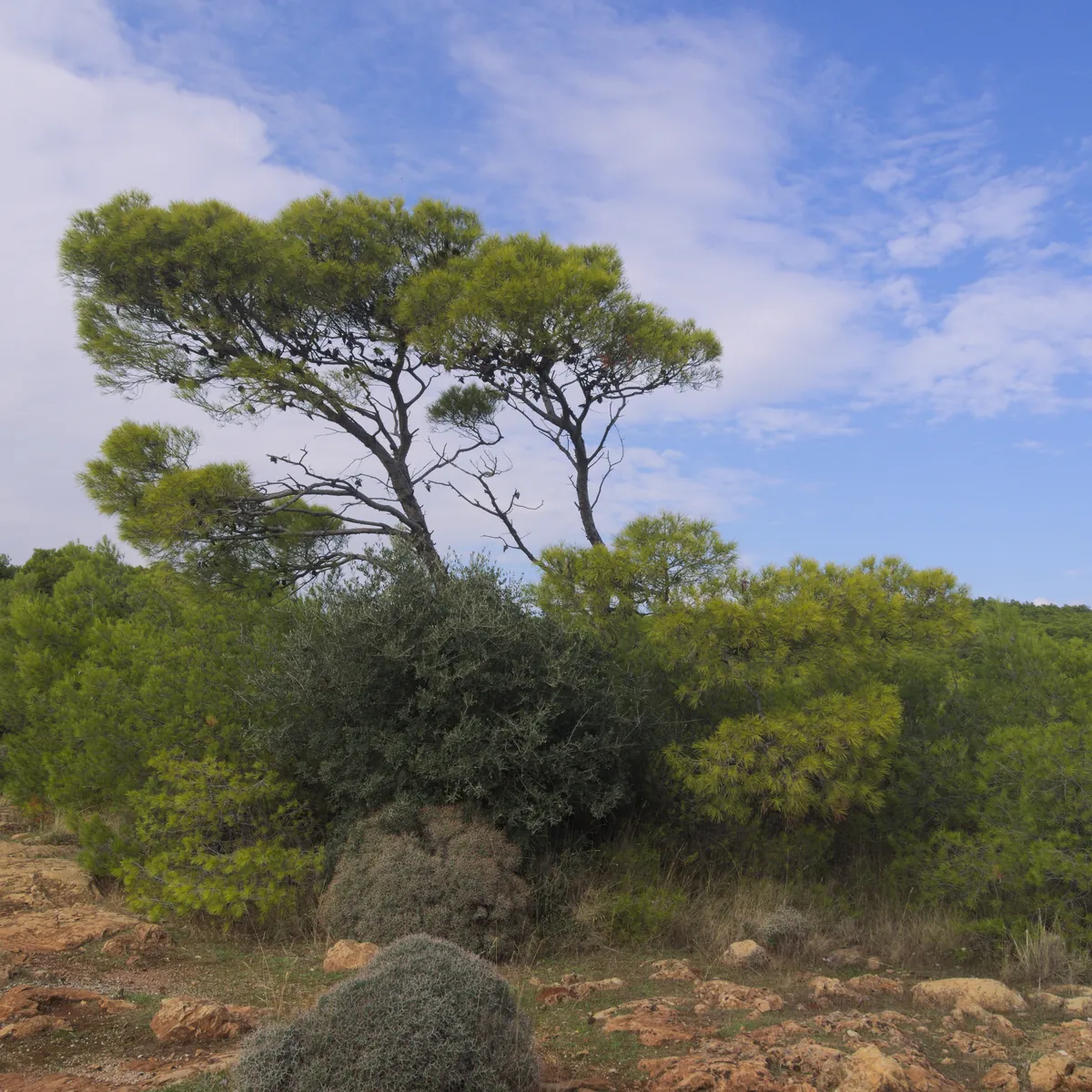
Pinus halepensis
Pine forests providing an important source of honeydew in hot and humid weather.
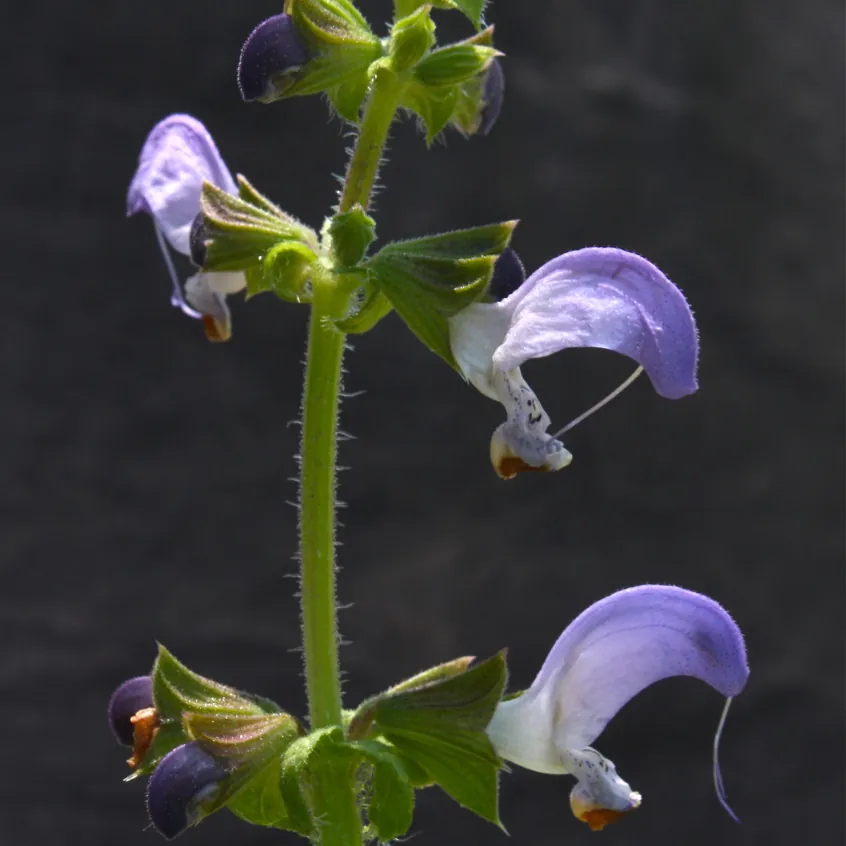
Rosmarinus algeriensis
A species of rosemary better adapted to the arid conditions of the high plateaus and desert edges.
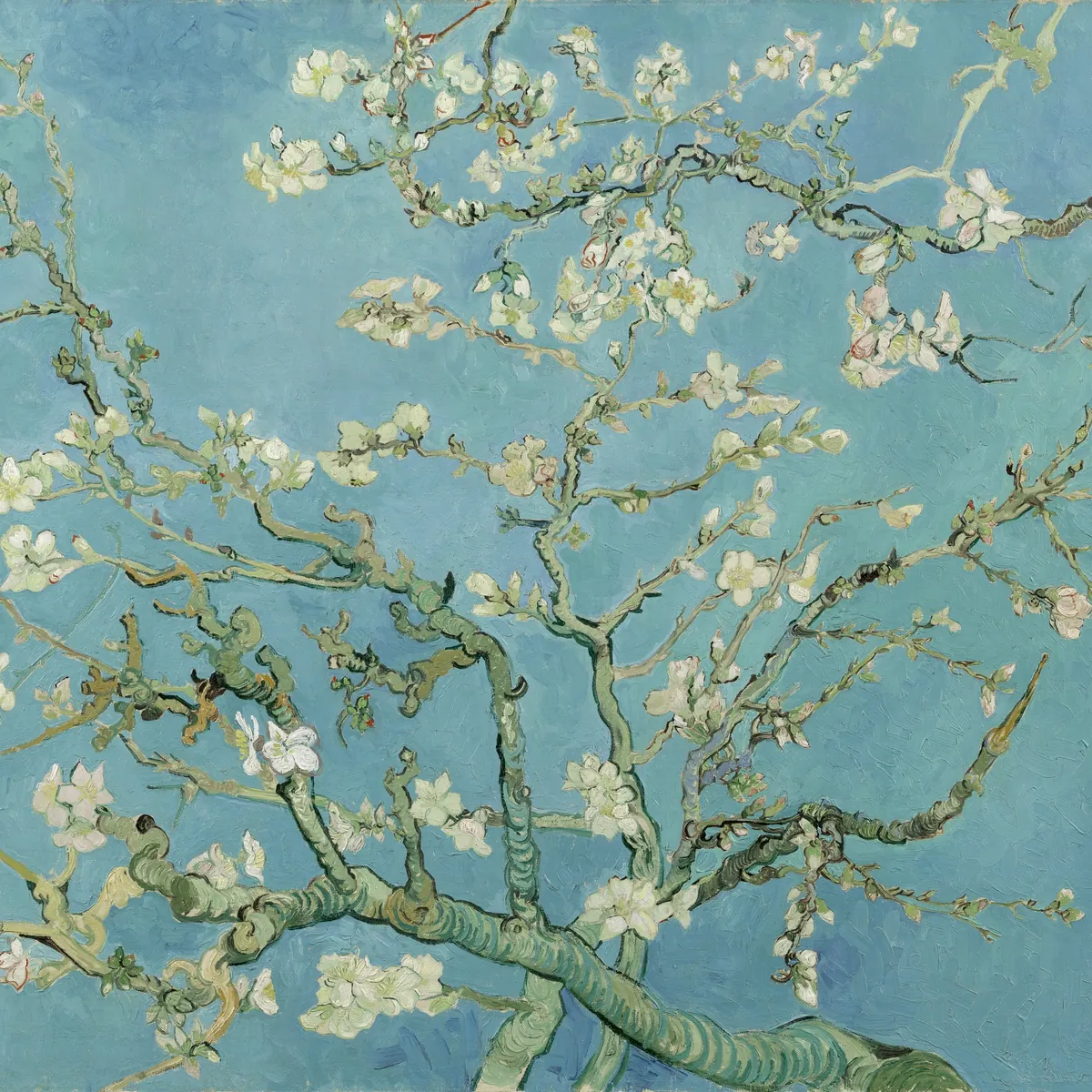
Prunus dulcis / Prunus amygdalus
First major bloom of the year, crucial for stimulating spring brood development.
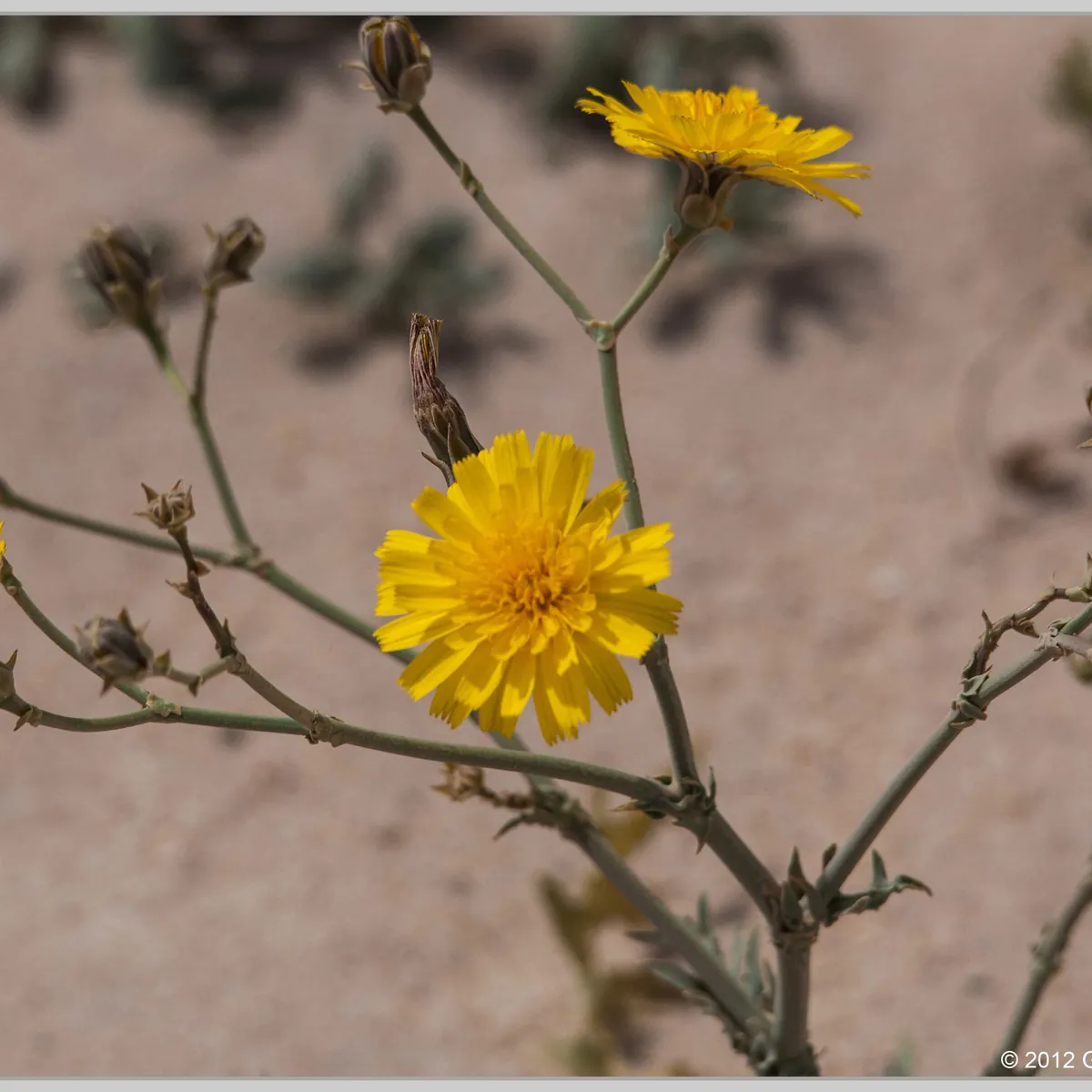
Rhanterium suaveolens
Key plant of the pre-Saharan sandy steppe of Tunisia, with a pleasant scent after the rain.
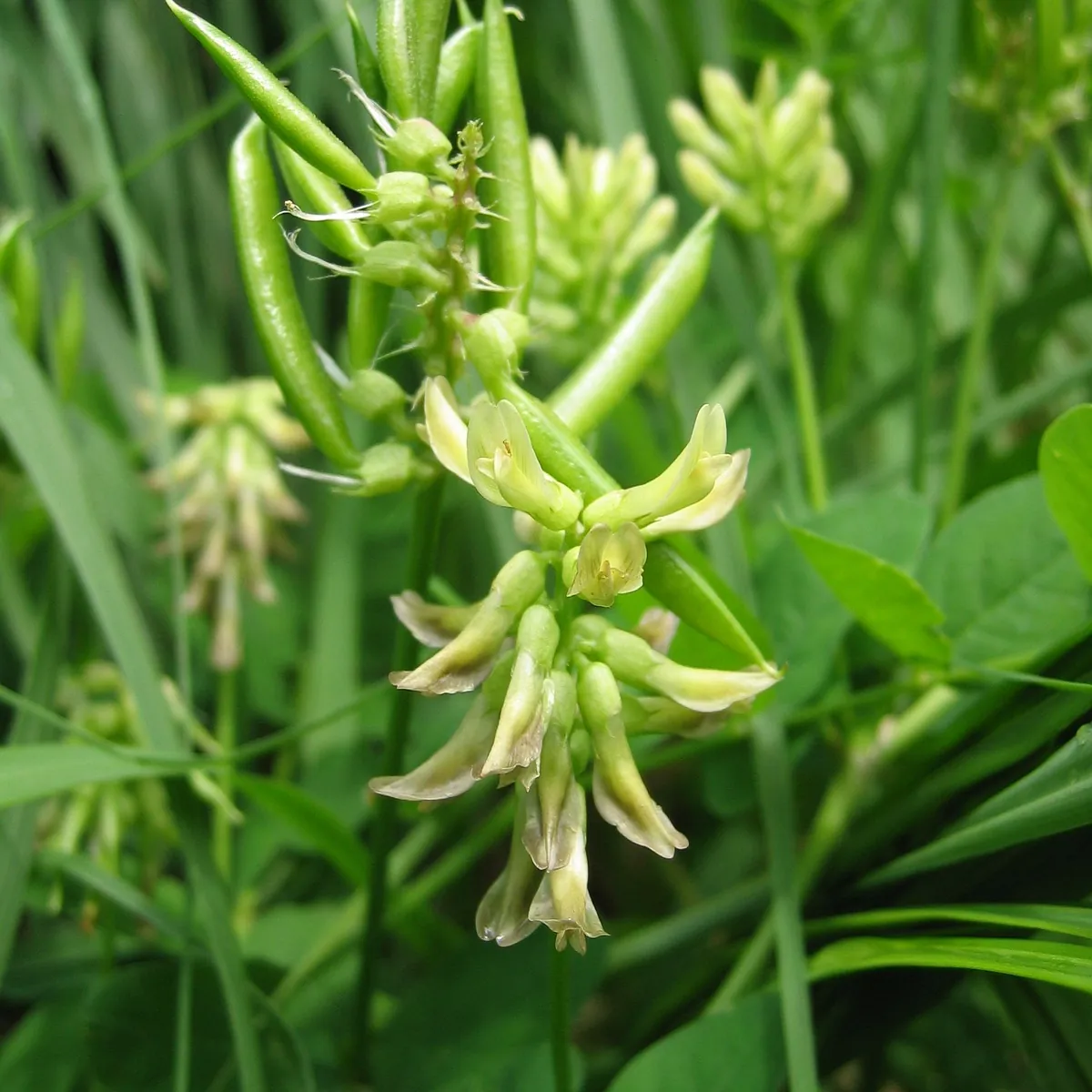
Astragalus armatus
Thorny shrub forming large prickly cushions in steppes and arid mountains.
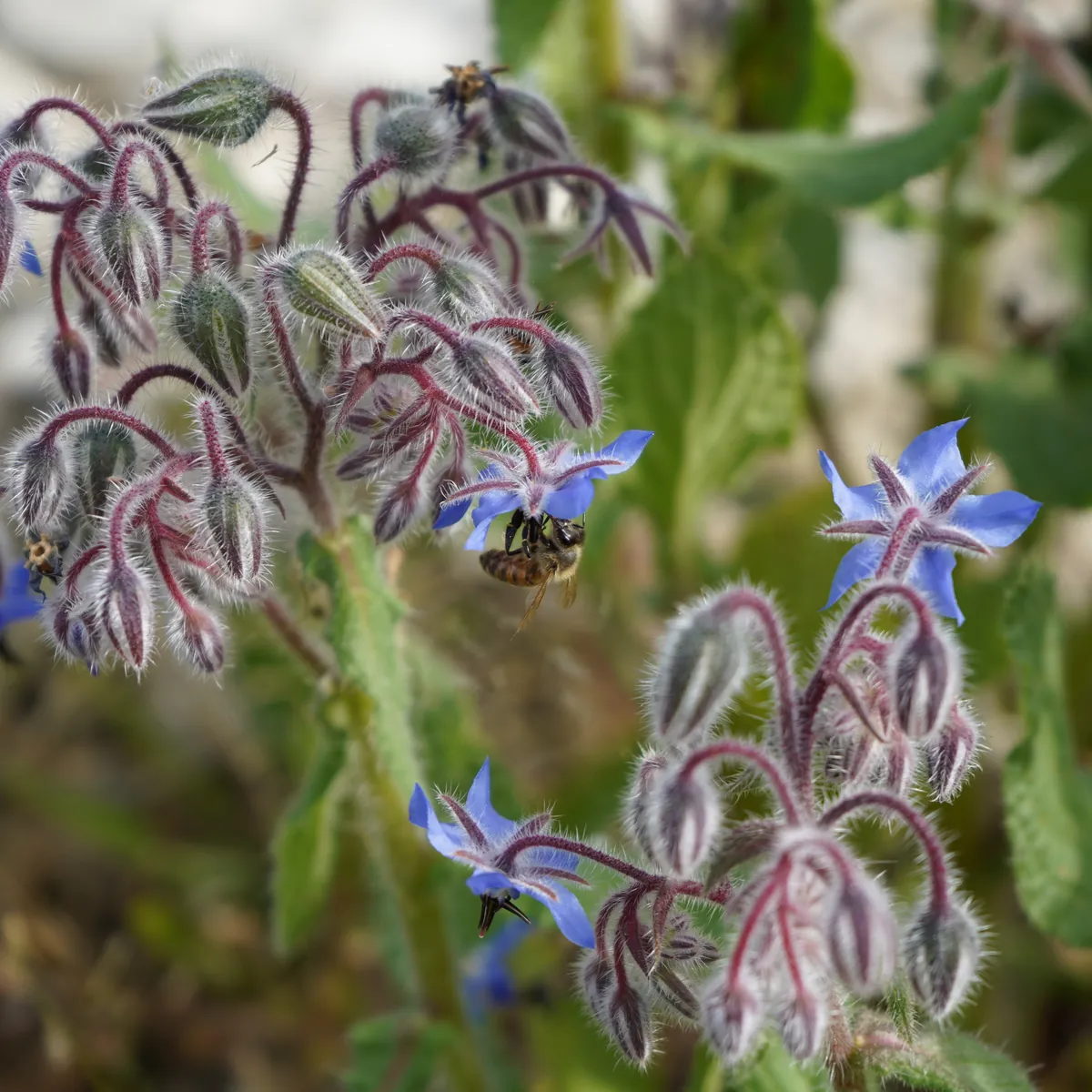
Borago officinalis
Wild plant of wastelands and rubble, with star-shaped blue flowers rich in clear nectar.
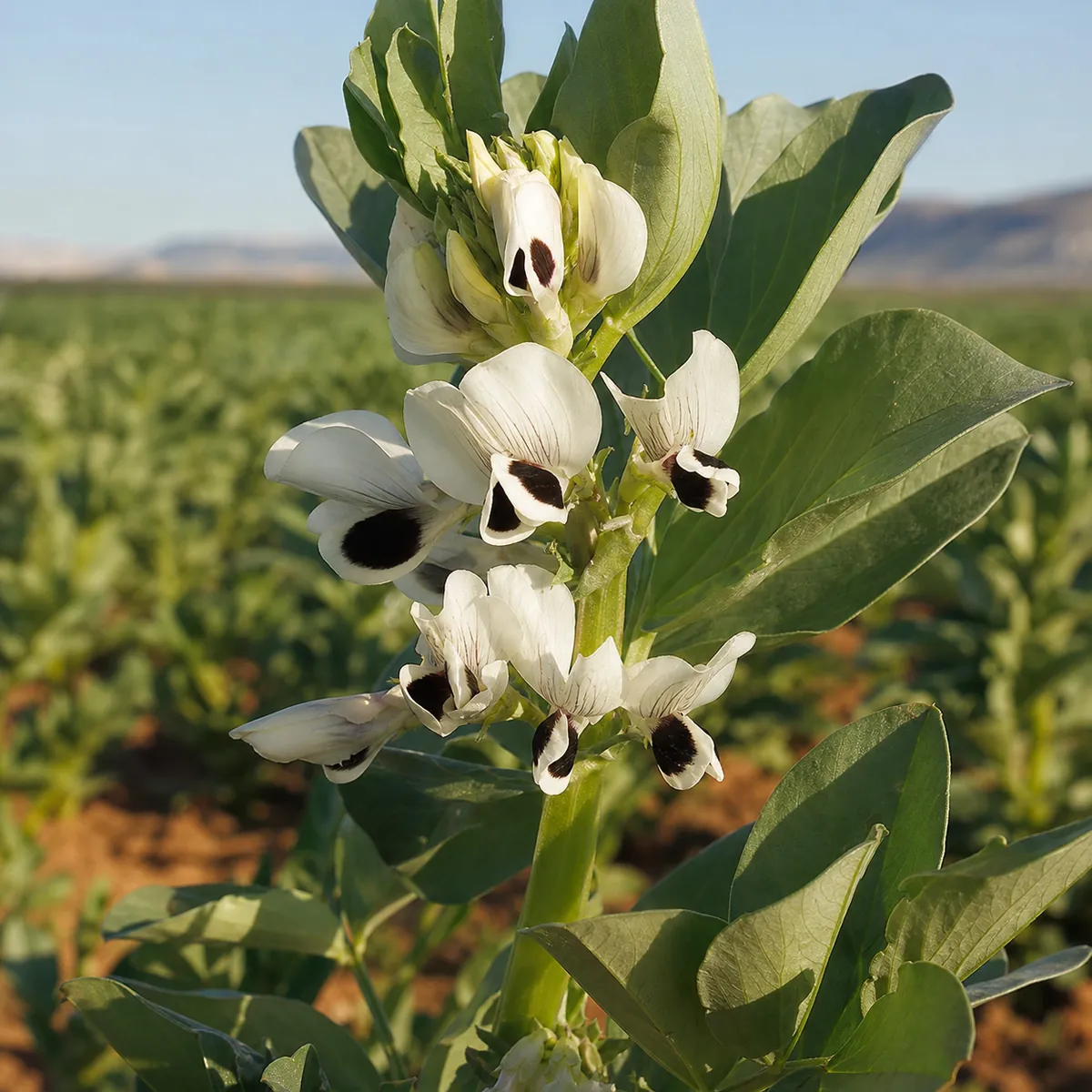
Vicia faba
Legume cultivated in Tunisian agricultural and oasis systems, visited by several wild and domestic bees.
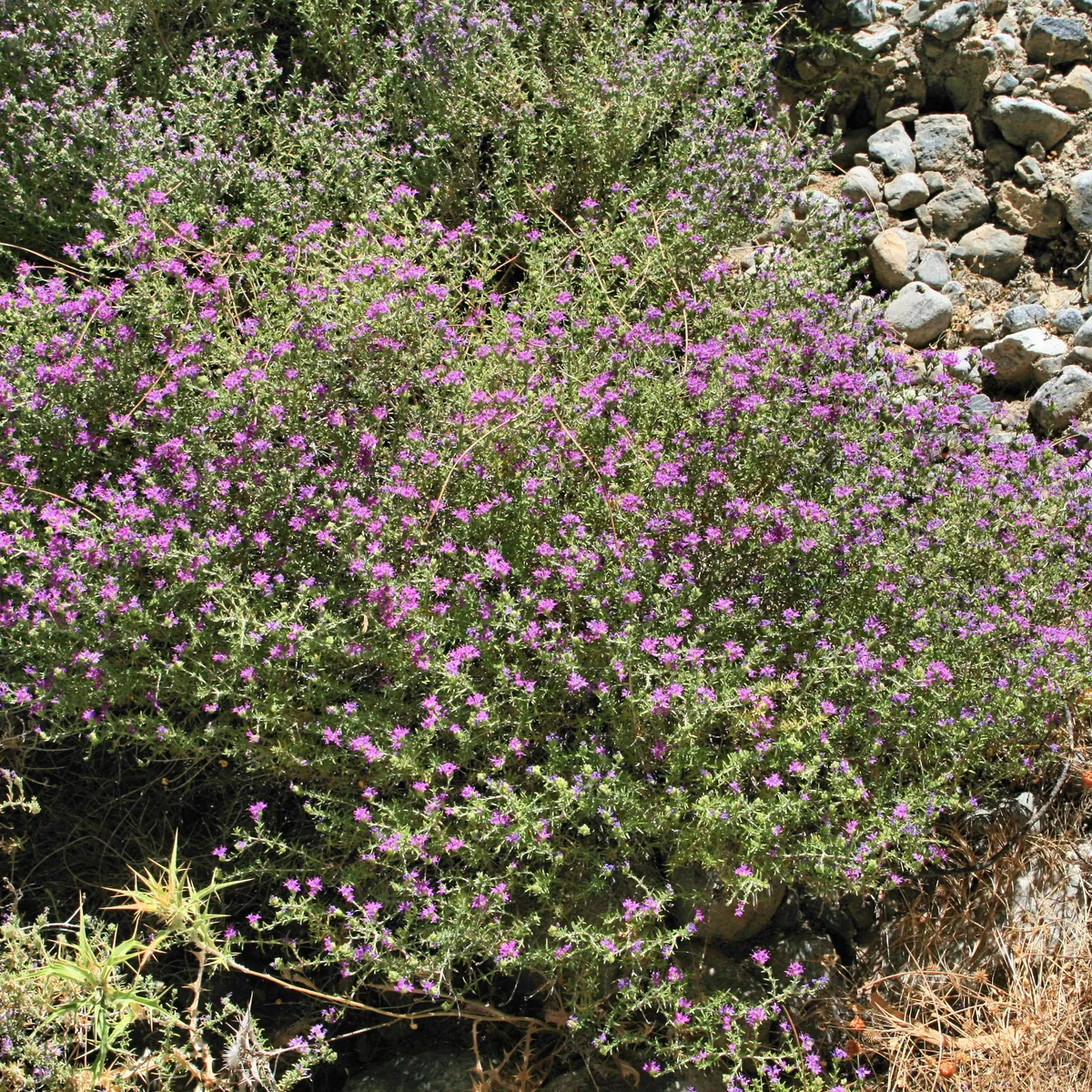
Thymus capitatus / Thymbra capitata
Aromatic wild plant growing on sun-exposed arid, rocky limestone hills.
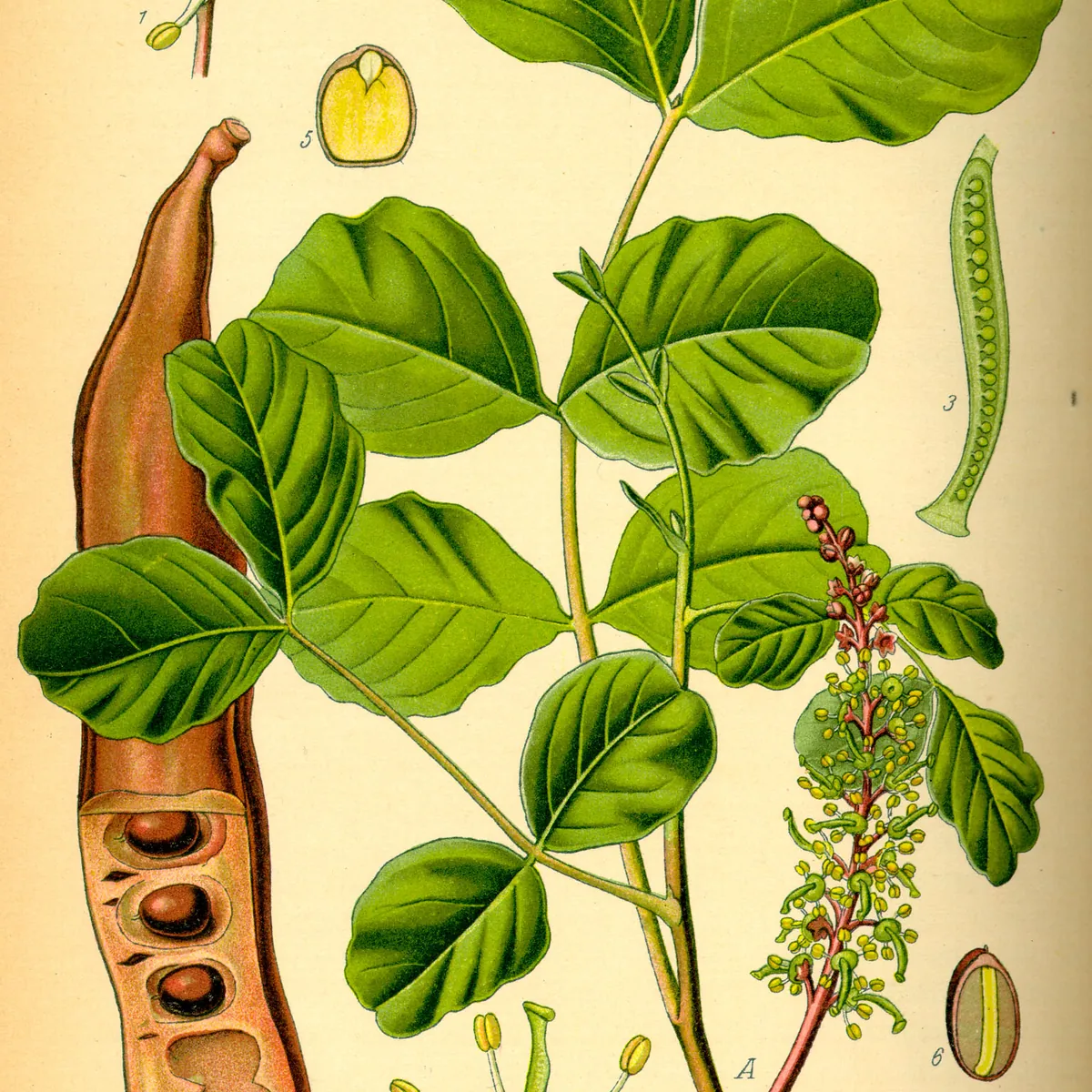
Ceratonia siliqua
Mediterranean tree typical of calcareous soils, offering precious autumn flowering.
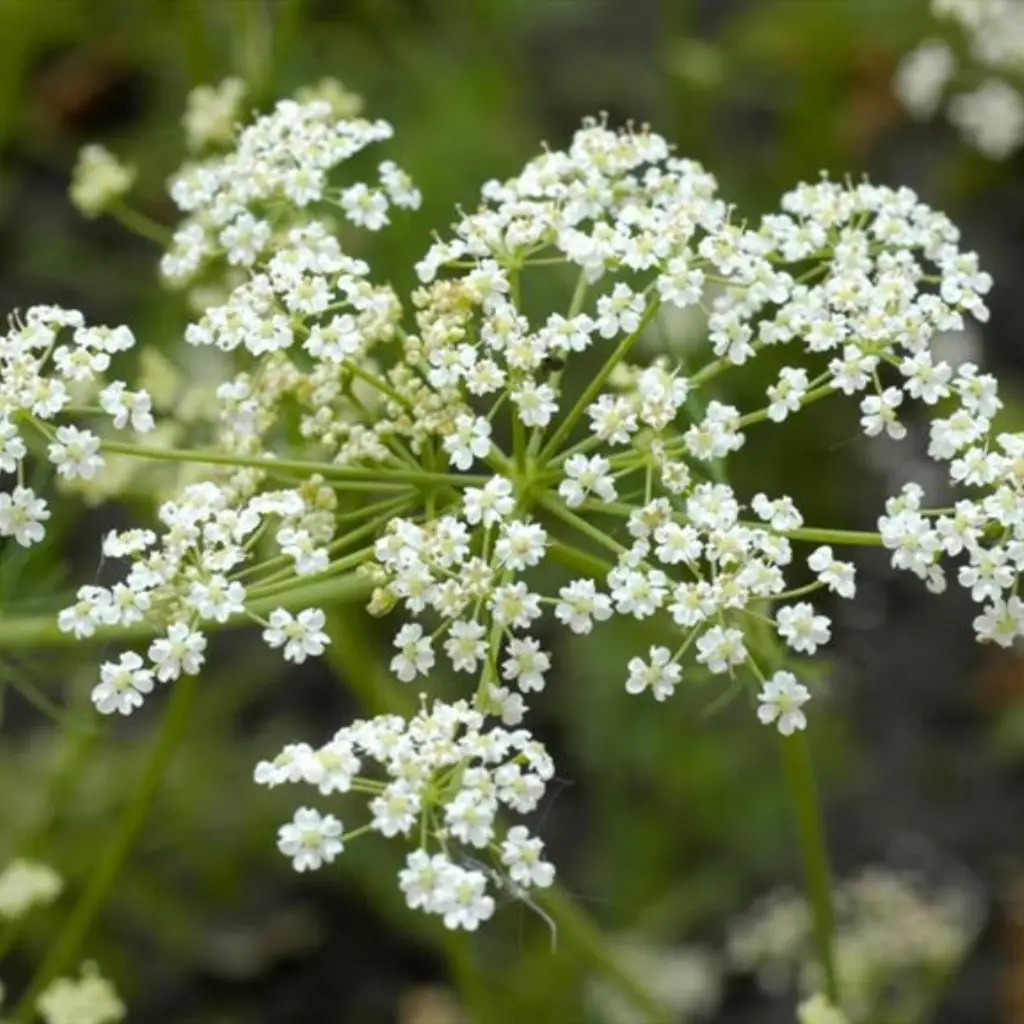
Carum carvi
Carvi (Carum carvi) is an aromatic plant from the Apiaceae family. It produces small white flowers, sometimes slightly pink, grouped in umbels. This open floral structure allows bees and many other pollinating insects to easily access nectar and pollen.
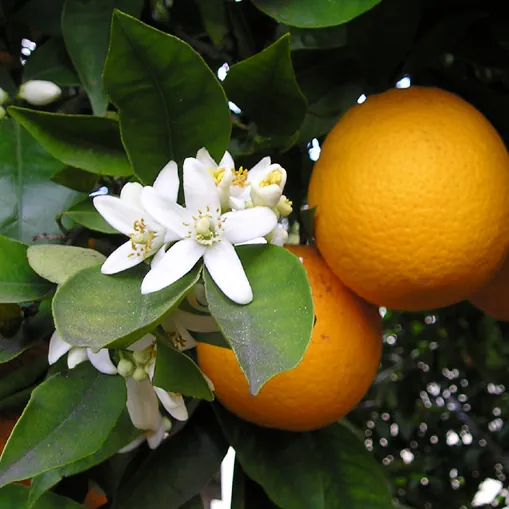
Citrus sinensis / Citrus aurantium
Intensively cultivated in fertile coastal plains, producing intensely fragrant flowers.