AprilMaiJuneJuly
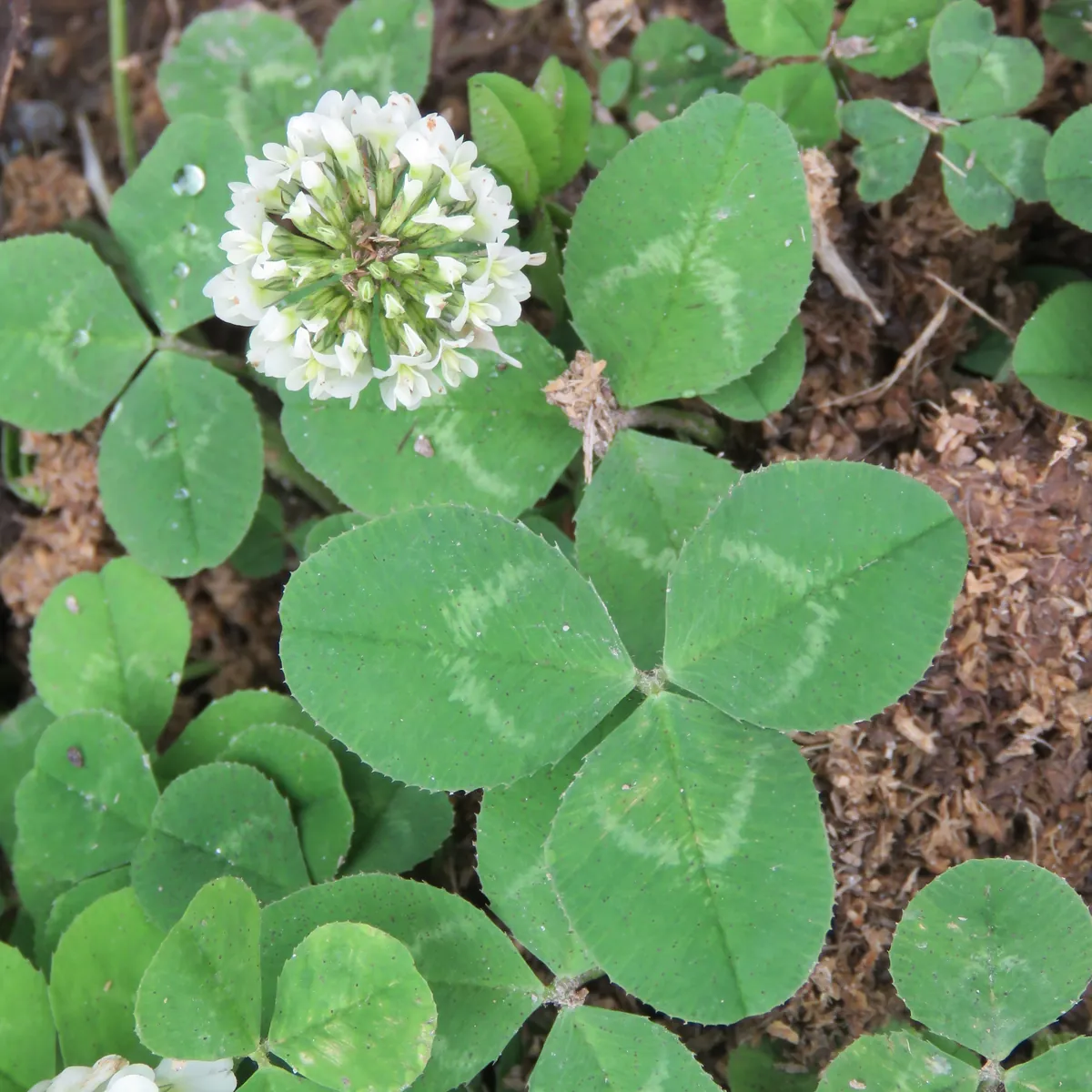
Clover (White Clover, Red Clover)
Trifolium repens / Trifolium pratense
- Nord humide
- Béja
- Jendouba
- Bizerte
- Siliana
- Mountain Honey / Wildflower
Very common in meadows, orchards, and fodder crops in the north.
Discover the plants that feed bees and shape the diversity of honeys. Each profile presents their characteristics, flowering period, and beekeeping value.
Trifolium repens / Trifolium pratense
Very common in meadows, orchards, and fodder crops in the north.
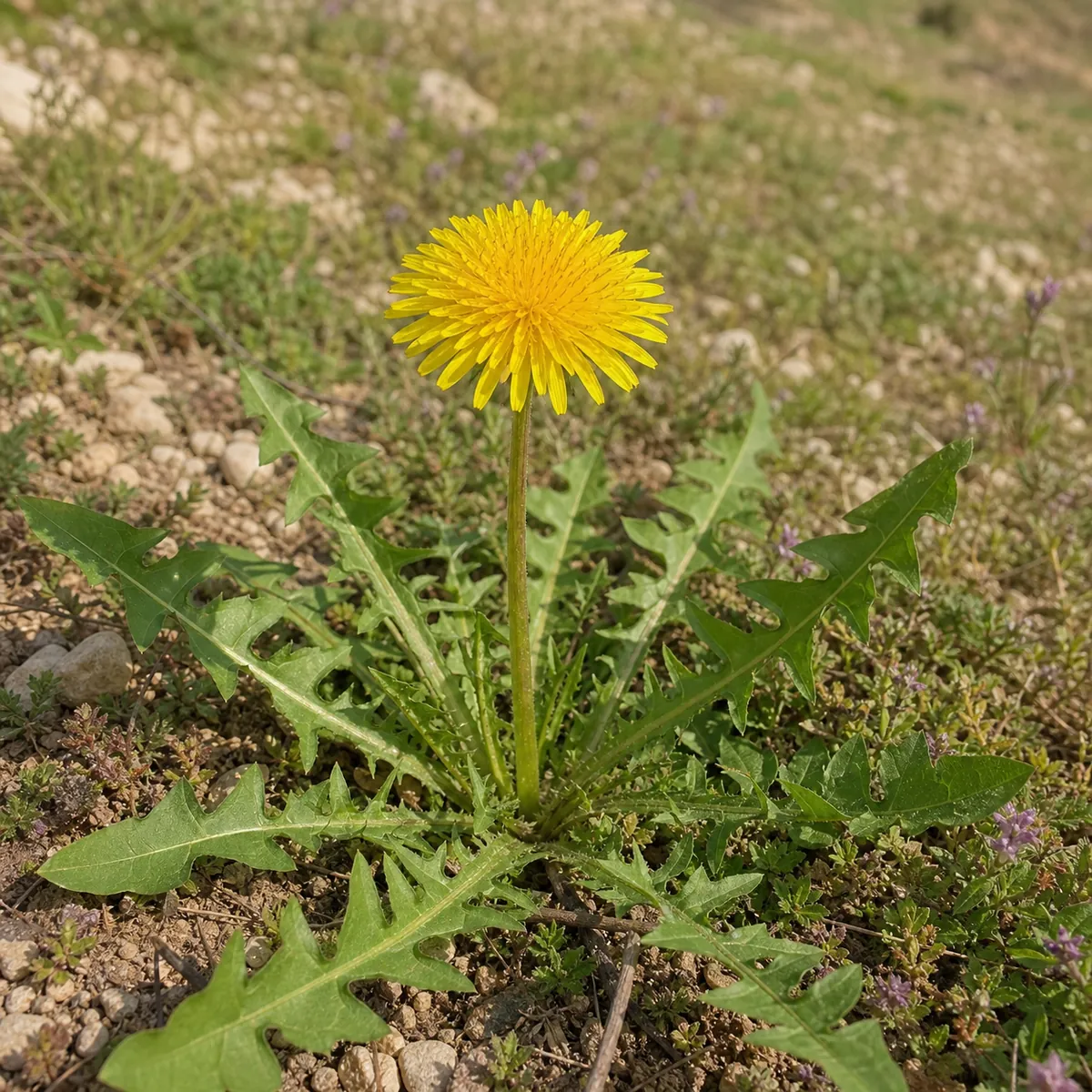
Taraxacum officinale
Reference taxon for the Taraxacum pollen type, frequently observed in the multifloral apiary pollens studied in Tunisia.
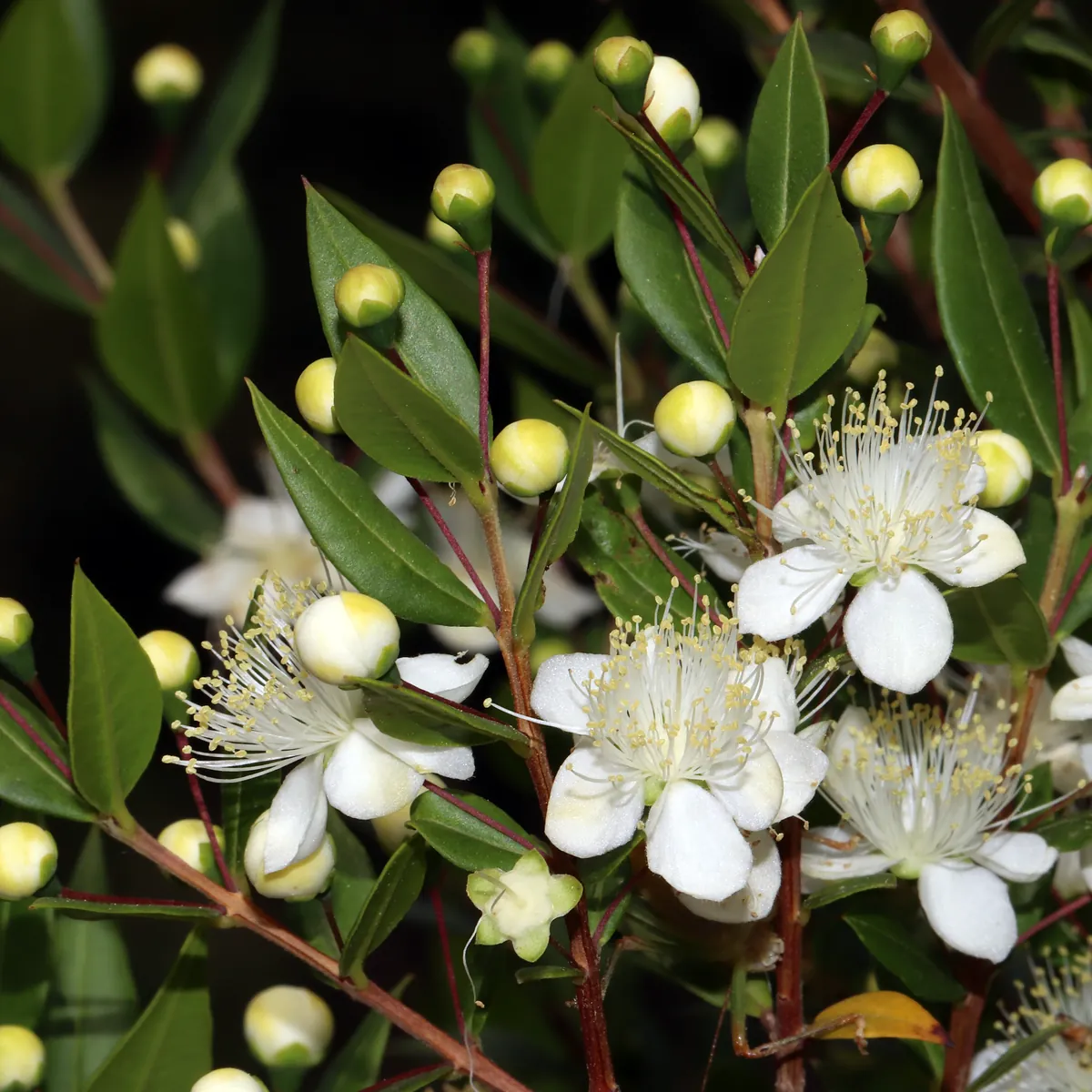
Myrtus communis
Aromatic shrub growing in the humid and shaded undergrowth of the Northwest.
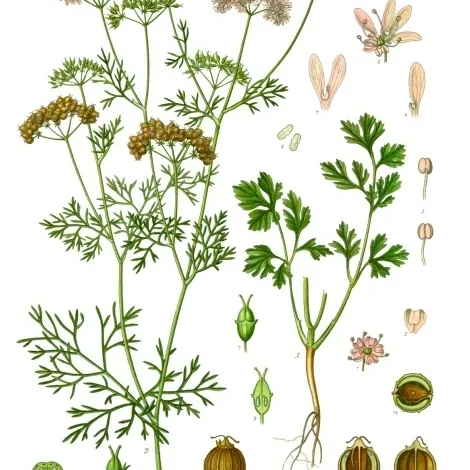
Coriandrum sativum
Cultivated in the large plains for its seeds, it offers abundant white flowers.
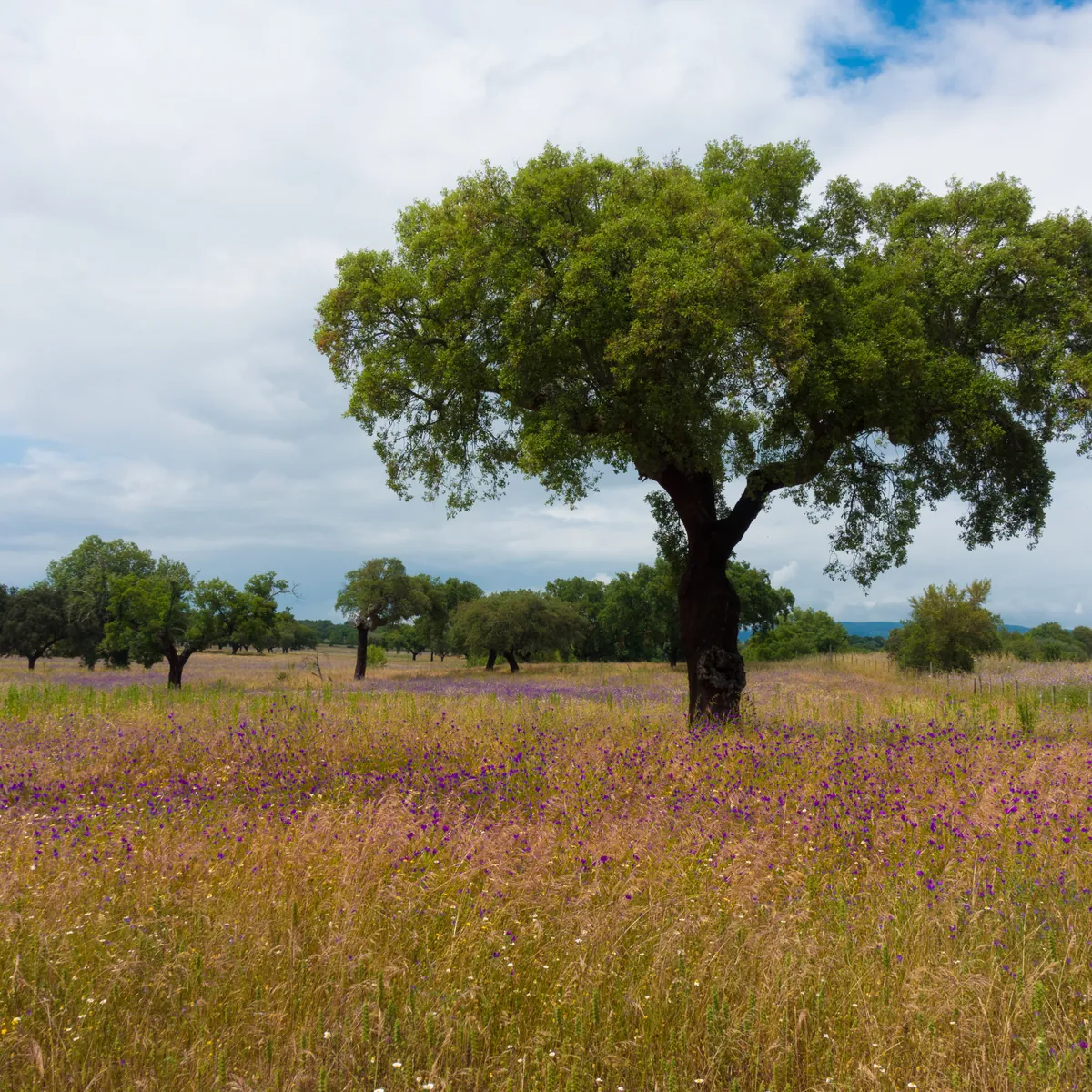
Quercus suber / Quercus ilex
Bees collect honeydew secreted by aphids on the leaves and bark of oak trees.
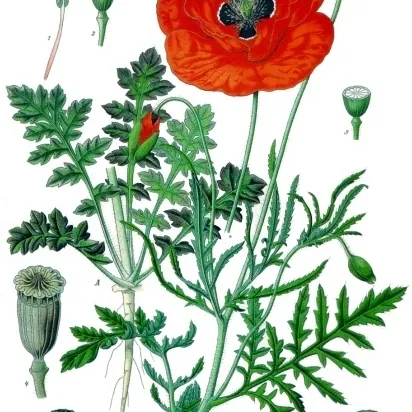
Papaver rhoeas
Bright red flower dotting cereal fields in spring. Does not produce nectar.
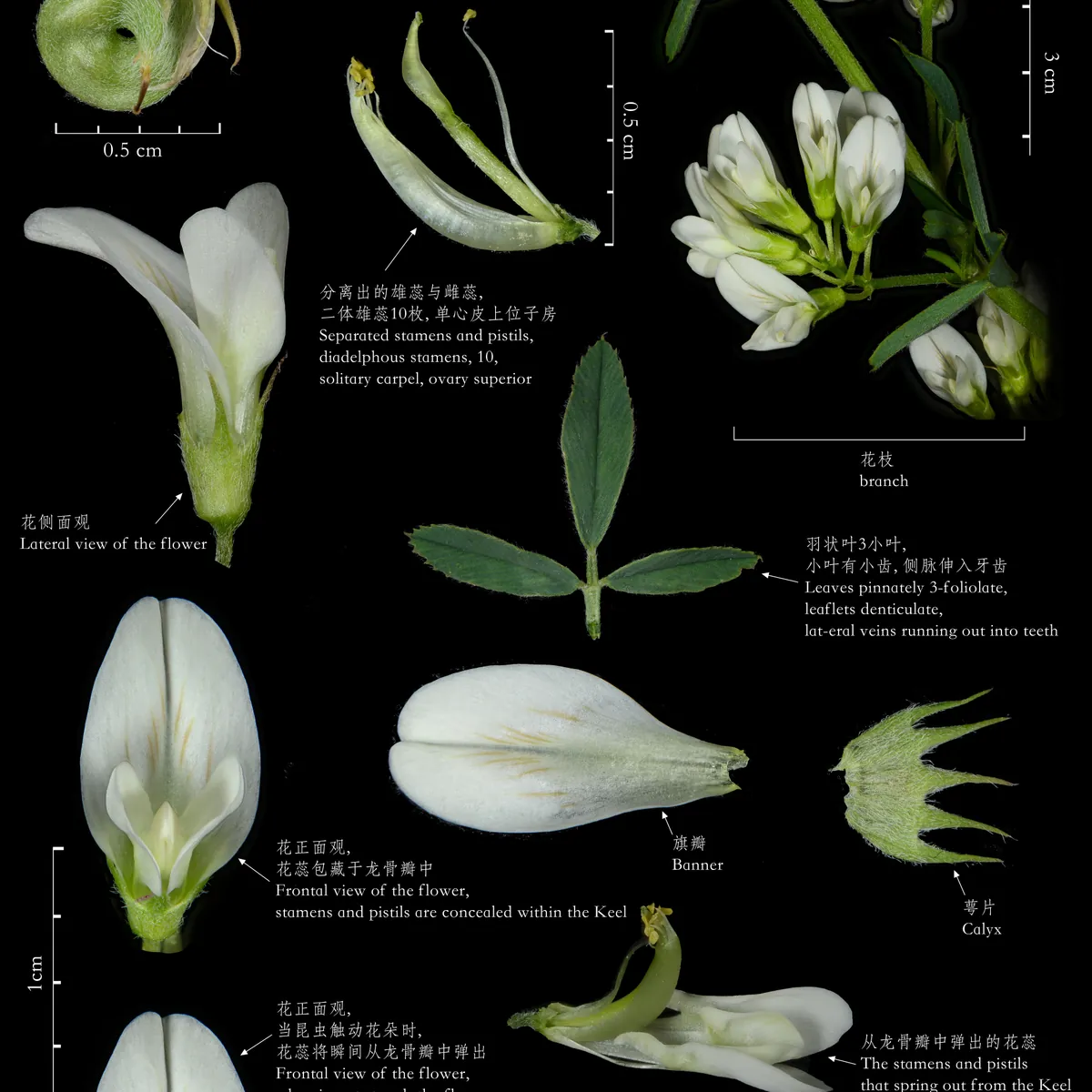
Medicago sativa
Cultivated for livestock in irrigated areas, its purple flowering is very attractive to bees.
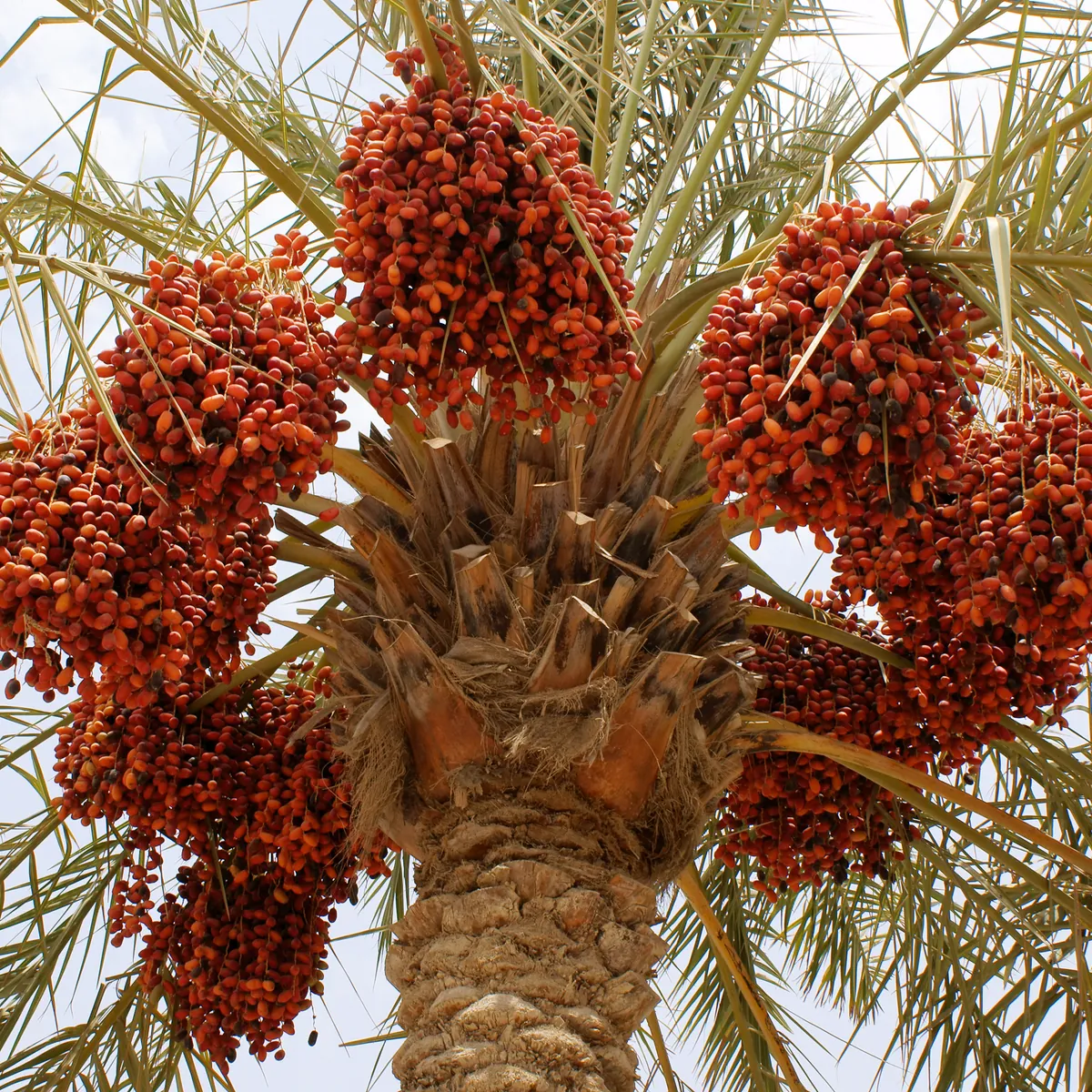
Phoenix dactylifera
Cultivated in the oases of southern Tunisia, it offers essential flowering in areas with limited alternative flora.
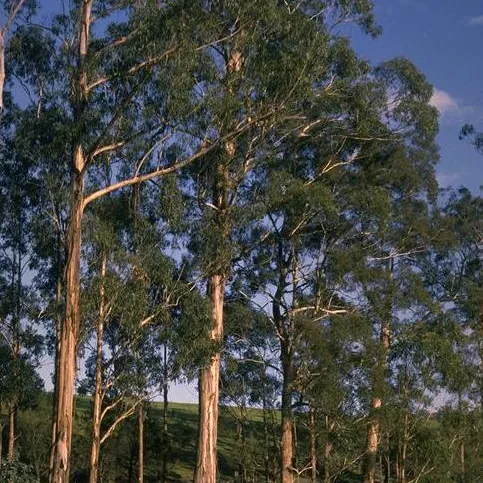
Eucalyptus globulus / Eucalyptus camaldulensis
Introduced for reforestation, it forms immense forests in northern Tunisia.
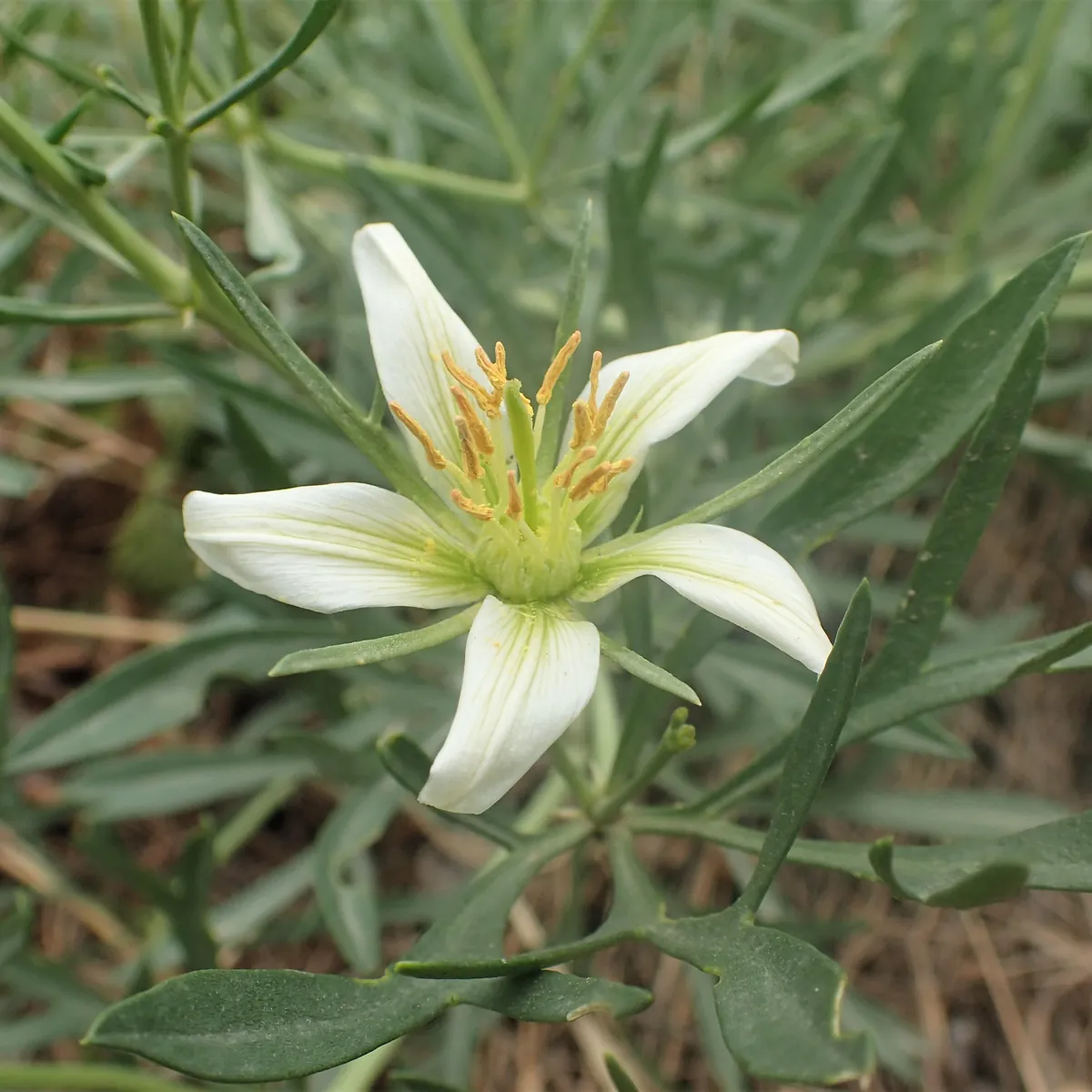
Peganum harmala
Woody plant of steppic and semi-arid regions, resistant to herds thanks to its toxicity (non-toxic to bees).
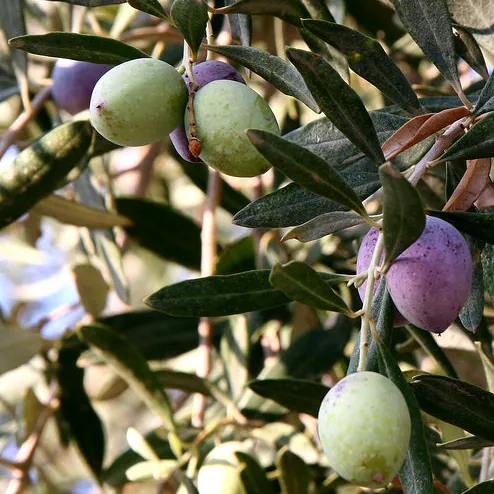
Olea europaea
The king tree of Tunisia. Does not produce nectar but provides a colossal amount of pollen.
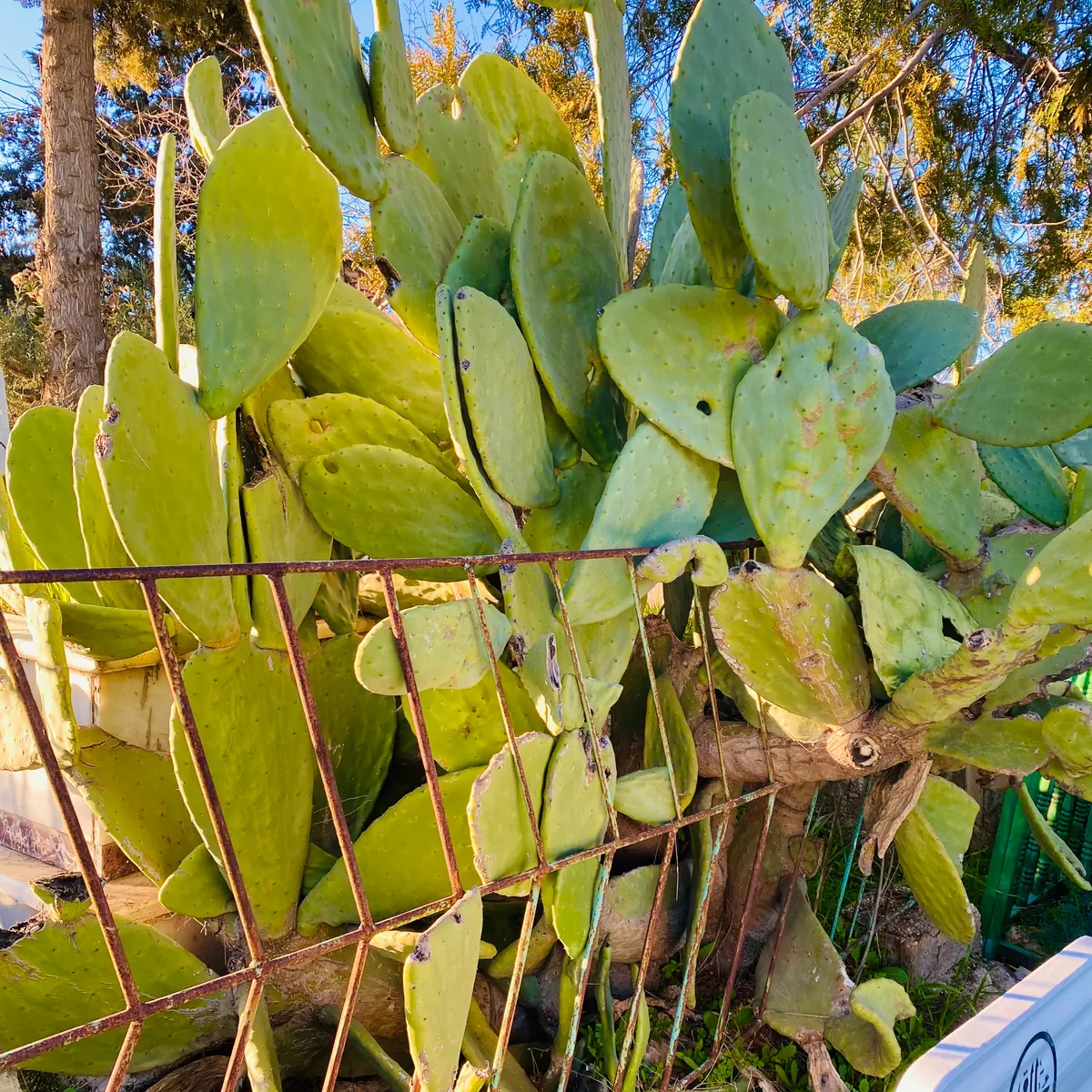
Opuntia ficus-indica
A very common plant in Tunisia used as defensive hedges and cultivated for its fruits.