Tellian bee
- Scientific name
- Apis mellifera intermissa
- Regions
- North (Tunisian Tell, Kroumirie, Mogods, Cap Bon)
- Center (Kairouan Plains, Sahel, Tunisian Dorsale)
- South (oases and coastal fringes, although less dominant)
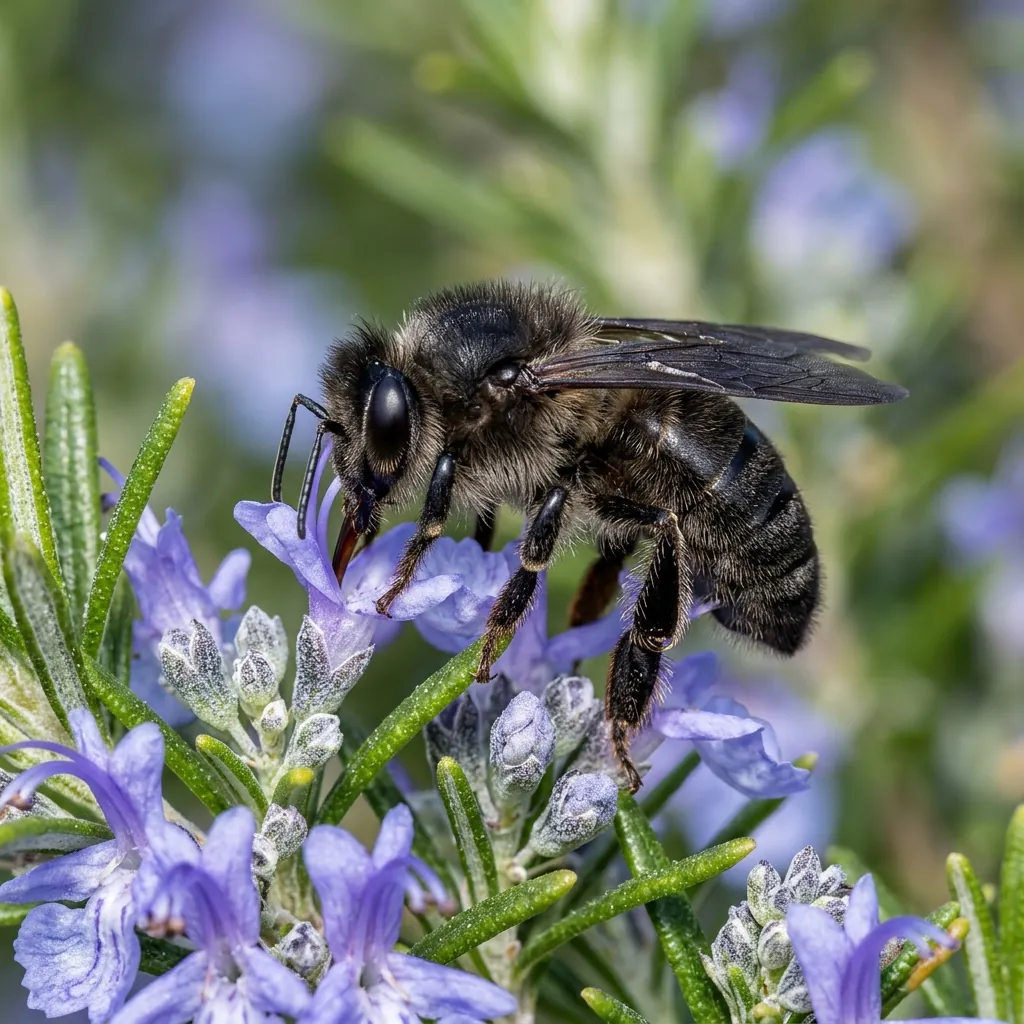
Domestic (social) bee
Indigenous and predominant (the basis of Tunisian beekeeping)
Mediterranean (humid, sub-humid, semi-arid to arid)
All year round, with a peak of activity and egg-laying in spring (March-May) and a second peak in autumn (September-October). Egg-laying stops or significantly reduces in summer (July-August) and winter (December-January).
Very common / Not globally threatened, but threatened by genetic pollution from uncontrolled imports of other races (Carnica, Ligustica).
Size
12 - 14 mm (workers)
Color
Entirely black or very dark, with no visible yellow or orange bands on the abdomen.
Specifics
Stocky body, grey to brown pubescence, relatively short tongue (6.2 mm), high cubital index.
Aggressiveness
High. Very defensive, reacts quickly to disturbances, produces a lot of alarm pheromone.
Swarming
Very high. Natural tendency for excessive swarming during periods of strong nectar flow or when the colony becomes crowded.
Propolis Use
Very high. Uses significant amounts of propolis to seal the hive and reduce the entrance.
Robbing
Moderate to high during periods of scarcity.
Exceptional hardiness. Perfectly adapted to prolonged droughts, wide temperature fluctuations, and hot southern winds (Sirocco). It drastically regulates its egg-laying: if there are no resources, the queen stops laying eggs to preserve reserves.
This is the most profitable bee in Tunisia in the long term due to its resilience. However, it requires rigorous management of swarming (artificial divisions, increasing space) and gentle handling techniques to limit aggressiveness. Excellent producer of forest (eucalyptus) and maquis honey.
Major pollinator of Tunisian wild flora (rosemary, thyme, eucalyptus, citrus fruits) and agricultural crops.
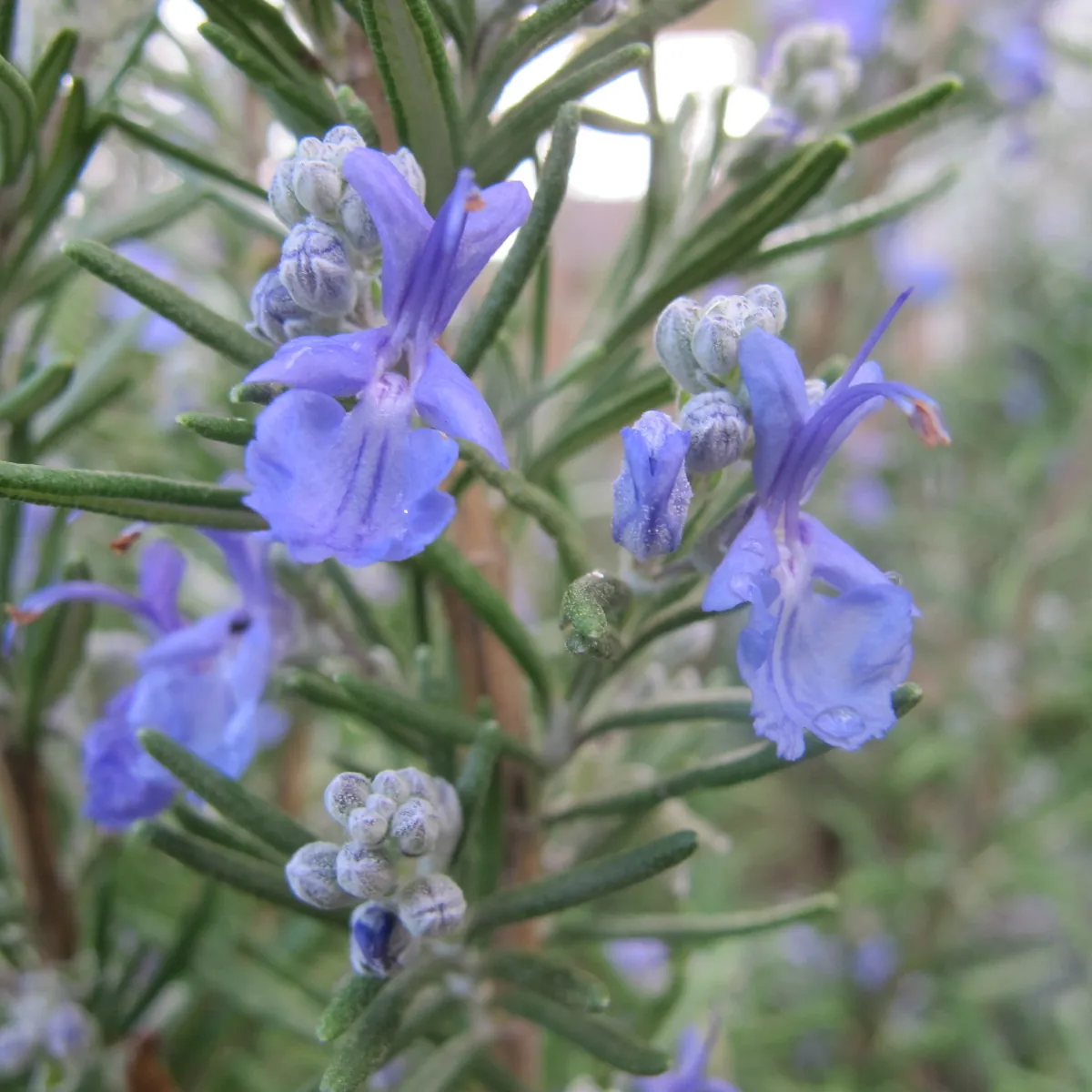
Rosemary
Rosmarinus officinalis
- Siliana
- Le Kef
- Kasserine
- Zaghouan
- Béja
- Rosemary Honey
- Mountain Honey / Wildflower
Iconic aromatic plant of calcareous Mediterranean environments and garrigues.
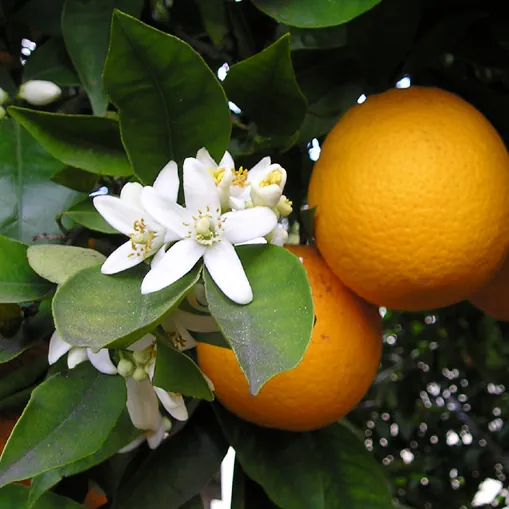
Citrus (Orange, Lemon, Mandarin)
Citrus sinensis / Citrus aurantium
- Cap Bon (Nabeul, Menzel Bouzelfa, Soliman, Beni Khalled)
- Citrus / Orange Blossom Honey
Intensively cultivated in fertile coastal plains, producing intensely fragrant flowers.
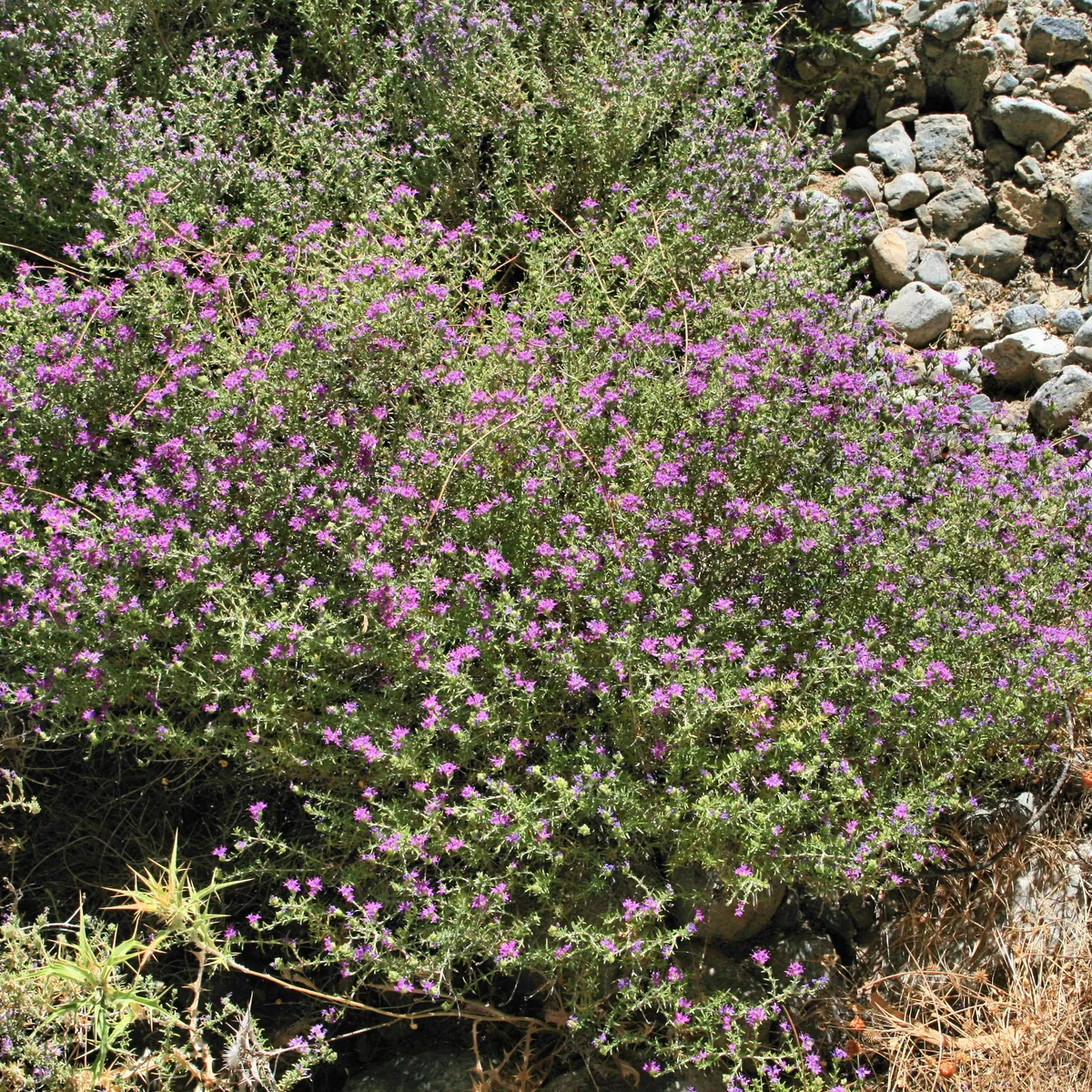
Capitate Thyme
Thymus capitatus / Thymbra capitata
- Kasserine (Jebel Chaambi)
- Zaghouan
- Siliana
- Limestone heights of Bizerte
- Thyme Honey
- Mountain Honey / Wildflower
Aromatic wild plant growing on sun-exposed arid, rocky limestone hills.
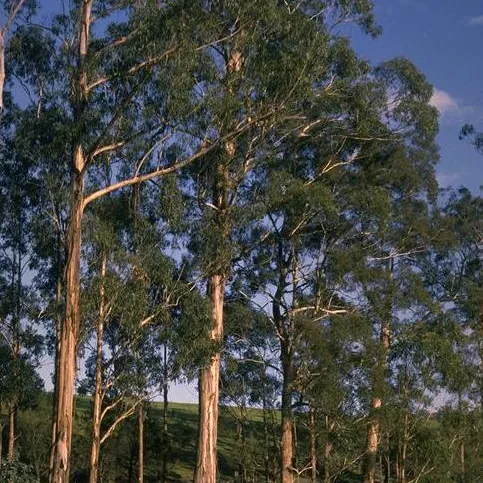
Eucalyptus
Eucalyptus globulus / Eucalyptus camaldulensis
- Mogods (Sejnane)
- Bizerte
- Kroumirie (Tabarka)
- Nabeul
- Béja
- Eucalyptus Honey
Introduced for reforestation, it forms immense forests in northern Tunisia.
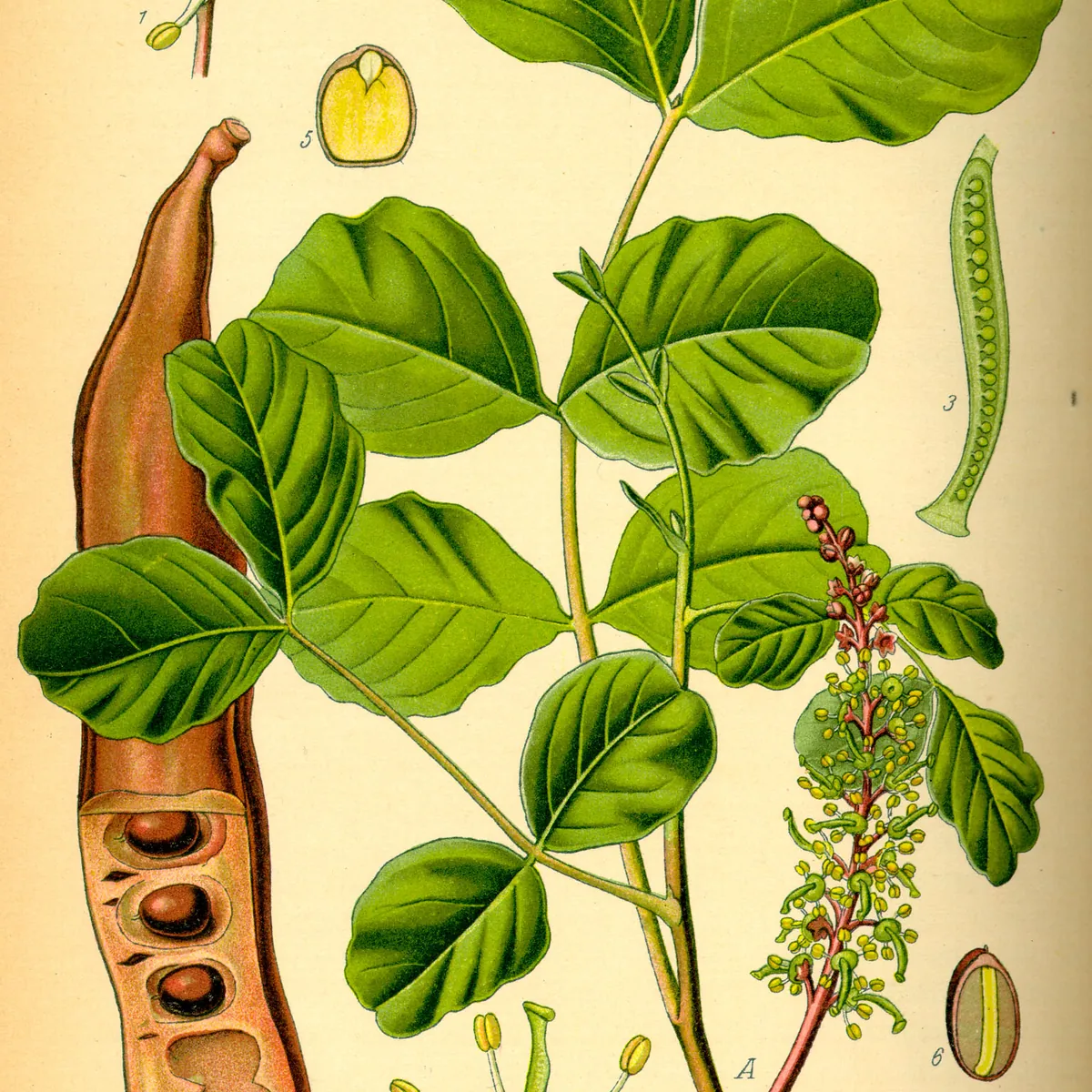
Carob Tree
Ceratonia siliqua
- Zaghouan
- Siliana
- Béja
- Nabeul
- Bizerte
- Carob Honey
Mediterranean tree typical of calcareous soils, offering precious autumn flowering.
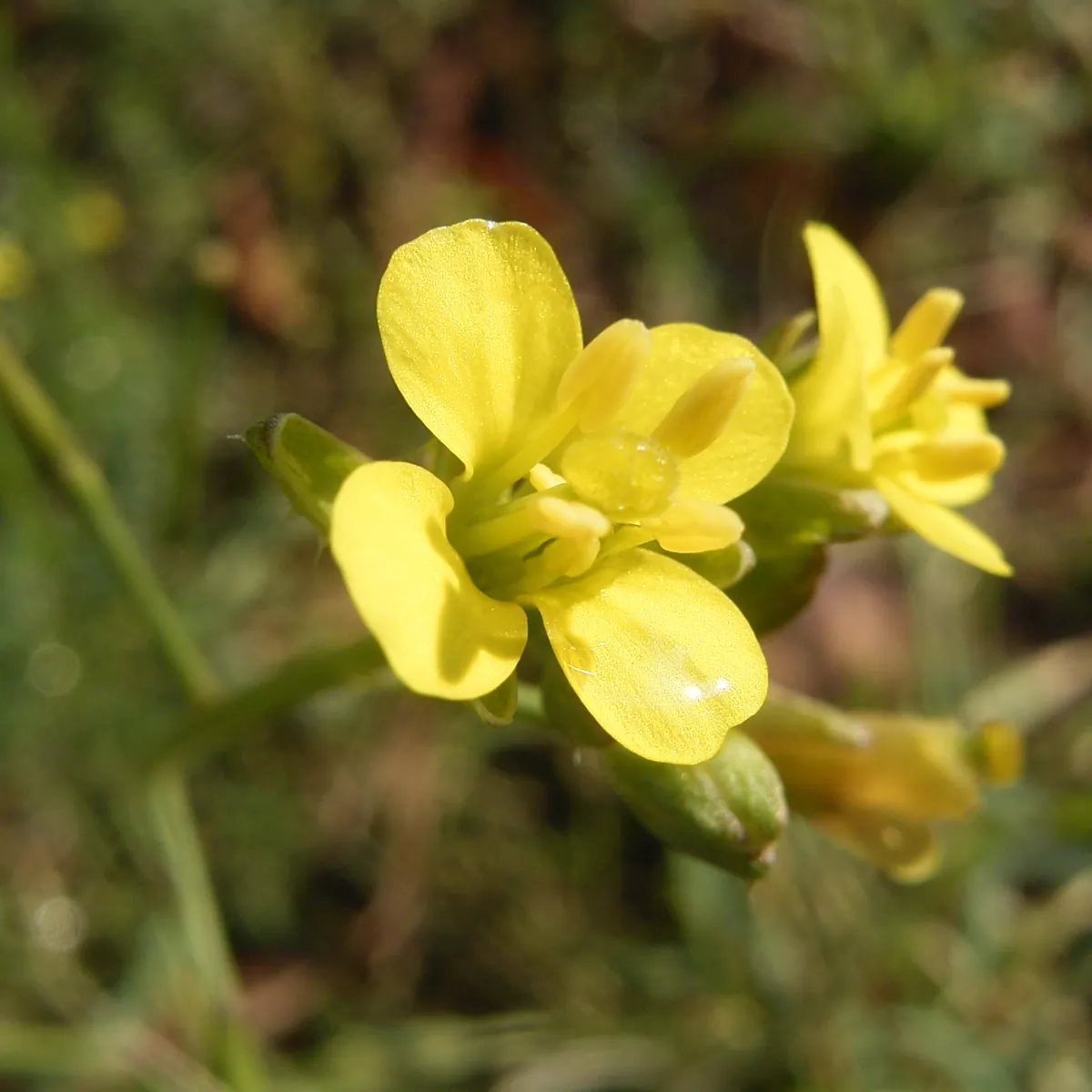
Wild Mustard / Steppe Harra
Diplotaxis harra / Diplotaxis simplex
- Sidi Bouzid
- Kairouan
- Gafsa
- Gabès
- Sfax
- Mountain Honey / Wildflower
- Diplotaxis honey
A very common wild plant in arid and steppe areas, covering vast expanses with a yellow carpet.
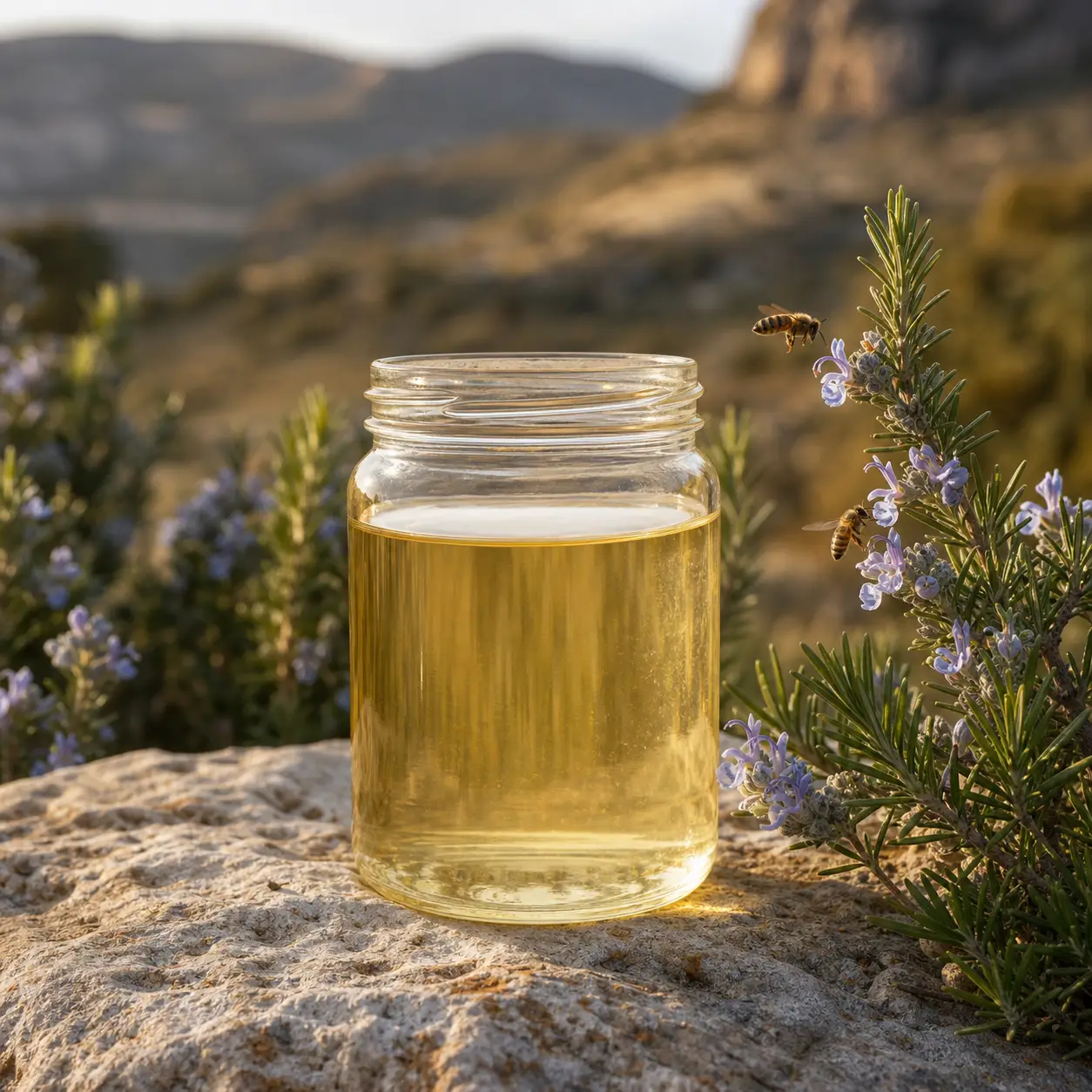
Rosemary Honey
Rosmarinus officinalis
- Le Kef
- Siliana
- Kasserine
- Hautes steppes du Centre-Ouest
Rosemary honey is one of the finest spring honeys from Tunisia. Highly appreciated for its sweetness and delicate texture.
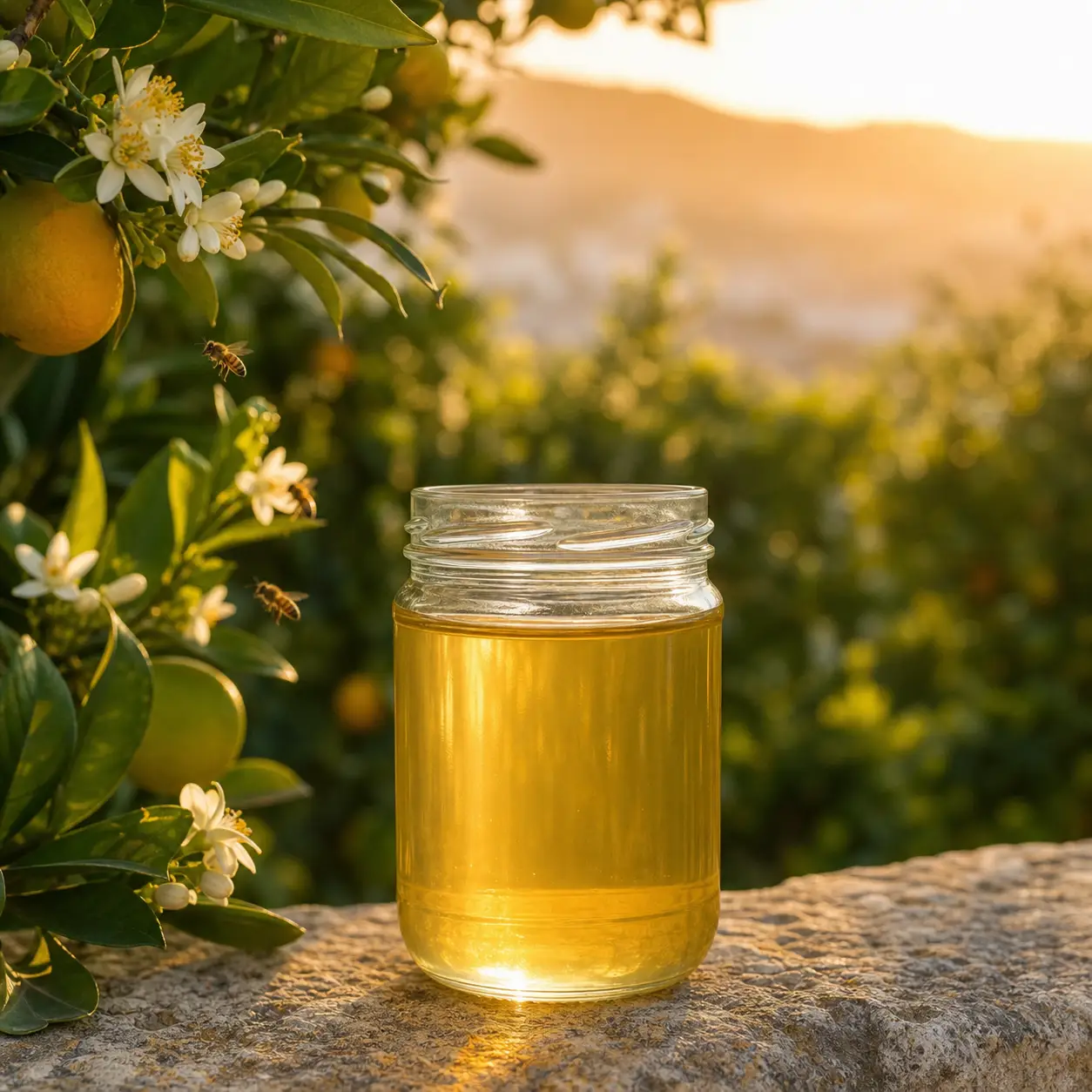
Citrus / Orange Blossom Honey
Citrus sinensis / Citrus aurantium
- Nabeul
- Menzel Bouzelfa
- Soliman
- Béni Khalled (Cap Bon)
From the foraging of orange and lemon orchards, this honey is a symbol of Tunisia's Cap Bon region.
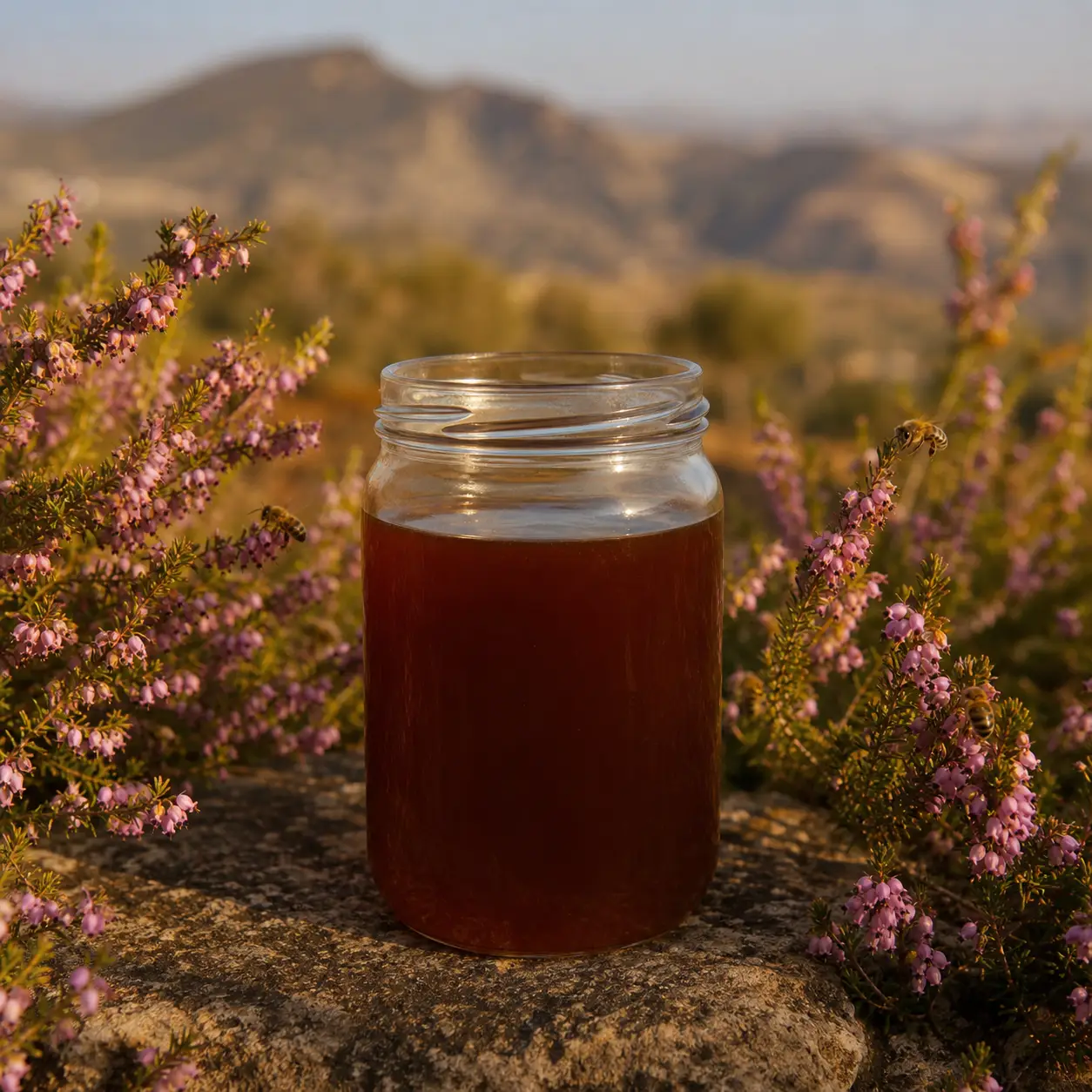
Thyme Honey
Thymus capitatus
- Kasserine (Jebel Chaambi)
- Zaghouan
- Siliana
- Limestone heights of Bizerte
A rare and precious honey with character, harvested from rocky heights exposed to the Mediterranean sun.
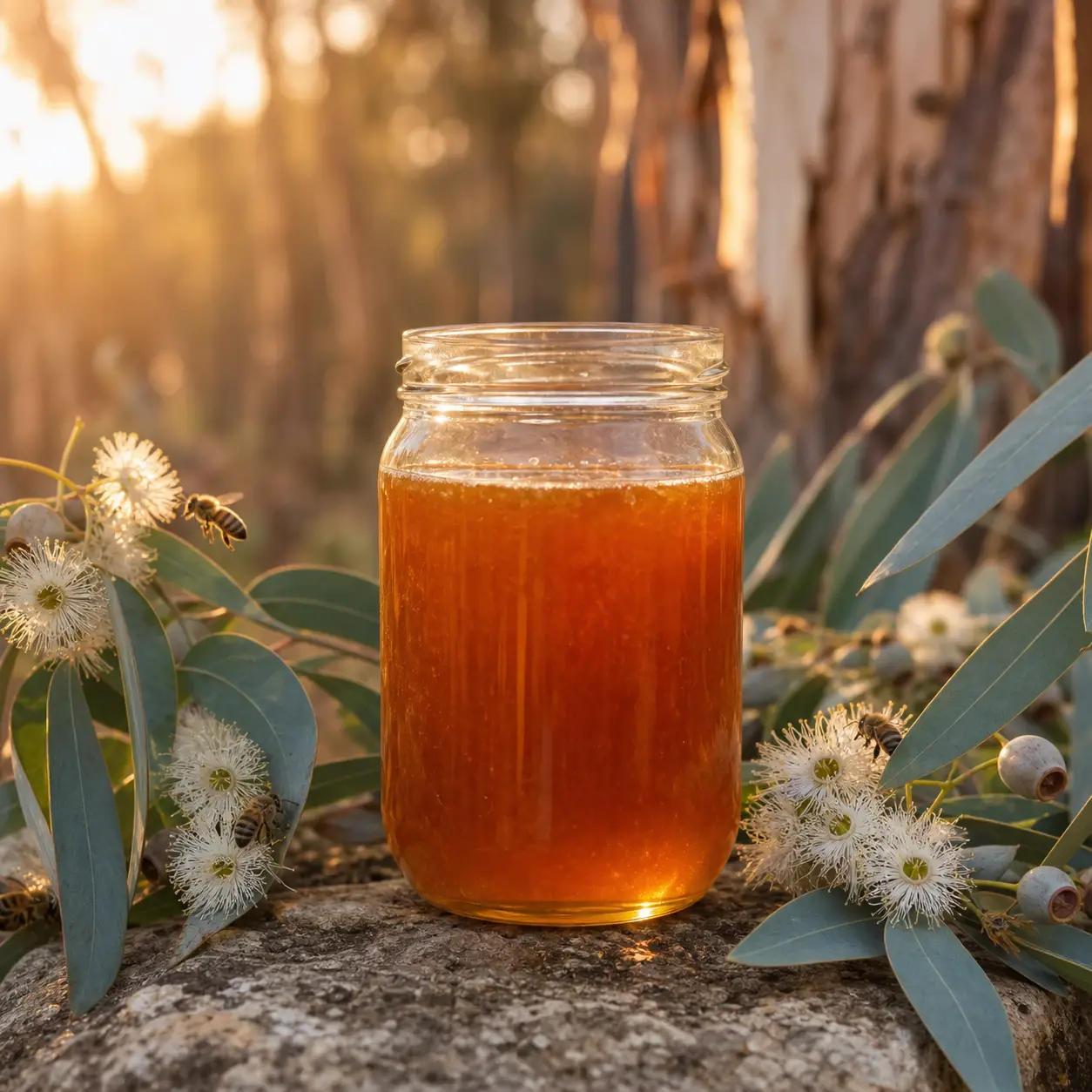
Eucalyptus Honey
Eucalyptus globulus
- Sejnane
- Bizerte
- Tabarka
- Nabeul
Typical honey from the large eucalyptus forests of Northern Tunisia, renowned for its balsamic freshness.
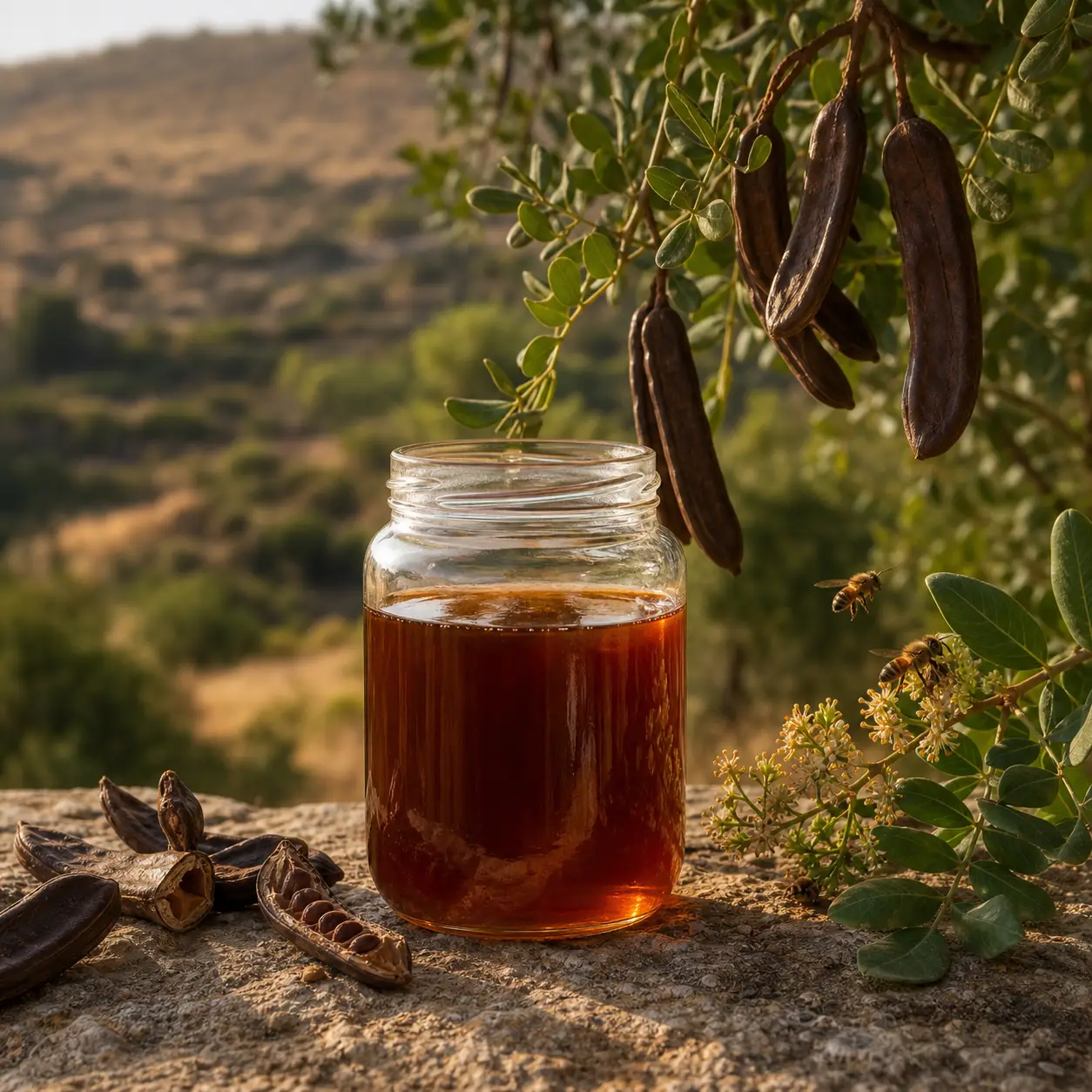
Carob Honey
Ceratonia siliqua
- Zaghouan
- Siliana
- Béja
- Hauteurs du Sahel
A rare, late-season honey produced from the flowers of the carob tree, an ancient Mediterranean tree.
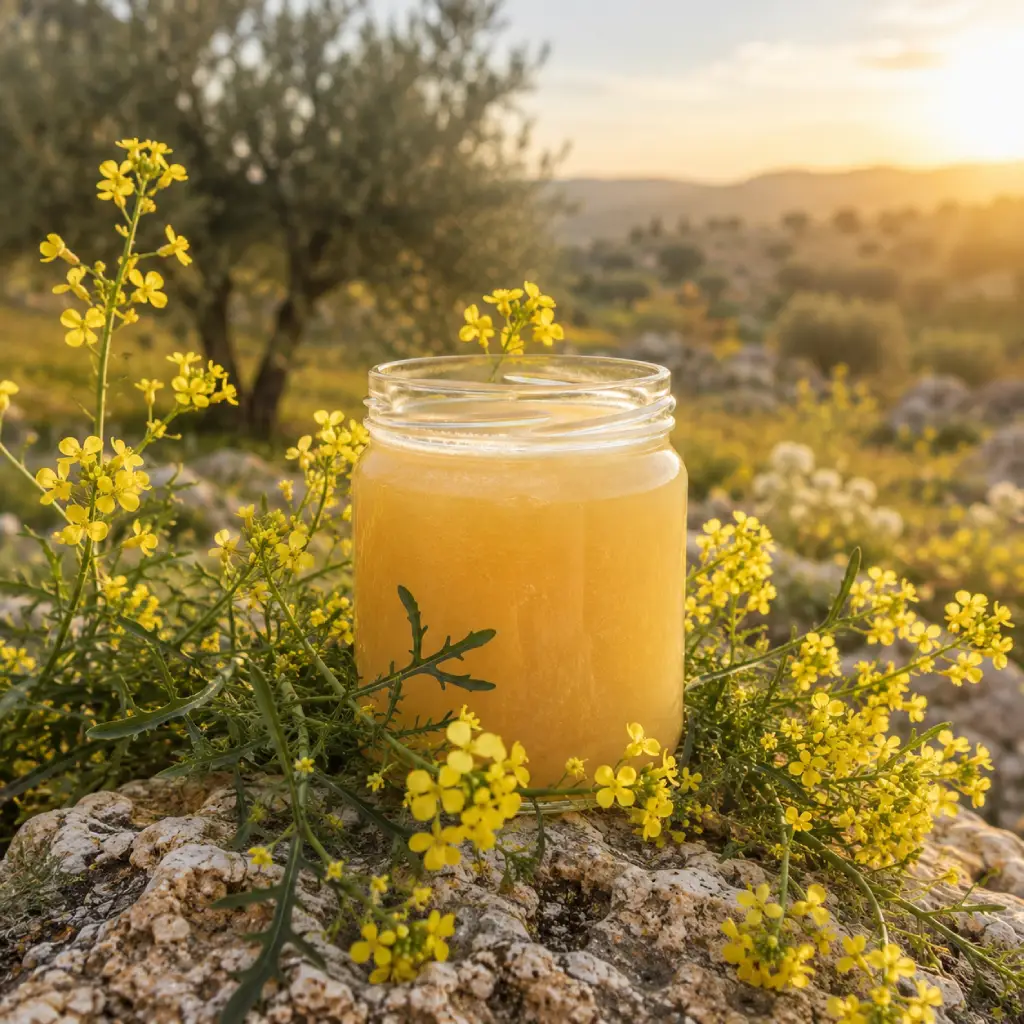
Diplotaxis honey
Diplotaxis spp
- North and Central Tunisia (Cap Bon, Tunisian Dorsale, olive groves and wastelands)
Diplotaxis honey is a rare floral honey produced by bees using the nectar from flowers of plants belonging to the botanical genus Diplotaxis. In Tunisia, it is generally sold under the name wild rocket honey or عسل الجرجير.